Korridorium

A daily dose of corridors in prose

191/398

♫ Rewrit­ing His­tory ♫


191/398

LogoSwitch language

I enter the cor­ri­dor lead­ing to the crew quar​ter​s—and even though we’ve been on this jour­ney for many years now, I still can’t quite grasp that I am on a space­ship bound for a dis­tant solar sys­tem, an alien planet, and an extrater­res­trial civ­i­liza­tion.

Just stand­ing firmly on the metal floor with my own feet is—in the vac­uum of space, far from any­thing that could exert grav­ity on us—ac​tu​ally unfath­omable: The ship rotates, pin­ning me to the outer hull, much like water is pressed into a bucket when you swing it around in a cir­cle.

*

It was Decem­ber 21, 2012, that changed every­thing. Today marks ten years to the day since we human​s—ev​ery sin­gle per­son on planet Earth​—​heard the voice in our heads. Every­one per­ceived it dif­fer­ently: some as a clap of thun­der, oth­ers as a whis­per, some as a female voice, oth­ers male, or even that of a child. But the word­ing was iden­ti­cal for every­one: “This is the Galac­tic Fed­er­a­tion.”

It was eerie. Some­thing like this had likely never hap­pened in human his­tory. It felt threat­en­ing and lib­er­at­ing all at once. I felt the same as most peo­ple: after that, I could­n’t just go back to busi­ness as usual. As it turned out, it was another Coper­ni­can rev­o­lu­tion for human­ity. Not only was Earth never the cen­ter of the uni­verse, but we humans also turned out to be just one intel­li­gent species among many—one civ­i­liza­tion among count­less oth­ers.

“The quar­an­tine that existed for your pro­tec­tion is lifted, effec­tive imme­di­ately.”

Every per­son on our planet heard this brief mes­sage in their own native lan­guage, wher­ever they were, what­ever they were doing. I belonged to the one-third of human­ity that was asleep at the time. The voice spoke to me—it was female and gen​tle—and I woke up instantly, with­out the slight­est doubt that this had been no dream. It was the same for bil­lions, I later learned, just as I soon found out what this quar­an­tine was all about.

*

For over half a cen­tury, astronomers had been search­ing for sig­nals from extrater­res­trial civ­i­liza­tions. I had never even heard of SETI, because the research pro­gram had yielded no note­wor­thy result​s—ex​cept per­haps the mys­te­ri­ous Wow! sig­nal. It was aston­ish­ing which fields of knowl­edge sud­denly made the front pages, and equally sur­pris­ing were the top­ics I sud­denly found myself engag­ing with, the entirely new ques­tions I was now grap­pling with.

Many felt the same. On some level, it made total sense: the expe­ri­ence of feel­ing some­thing for­eign inside one’s own mind would­n’t let go of us, even if there were peo­ple who tried to dis­miss it as mass hal­lu­ci­na­tion or an elab­o­rate stu­dent prank.

In any case, the tele­pathic mes­sage broad­cast world­wide on Decem­ber 21, 2012, made it clear why SETI had been unsuc­cess­ful for so long and had failed to dis­cover alien civ­i­liza­tions: our solar sys­tem had been shielded from all intel­li­gent radio sig­nals, mean­ing they could­n’t reach our sen­sors at all—save for the Wow! sig­nal, which was likely thanks to a brief mal­func­tion of the quar­an­tine fil­ter.

Sure, the exis­tence of extrater­res­trial life was debated, but as far as I had gath­ered, experts ruled out the pos­si­bil­ity that it could cross the vast dis­tances of space. With the voice, every­thing sud­denly changed: there is life in other star sys­tems, intel­li­gent life, and it knows about us.

How­ever, who the “Galac­tic Fed­er­a­tion” actu­ally is, and whether the civ­i­liza­tions in our galac­tic neigh­bor­hood belong to it, remains unknown to us. The voice in our head​s—which some say was an auto­mated record­ing played when the Voy­ager 1 space probe reached the outer bound­ary of our solar sys​tem—​did not speak again for the time being. No fur­ther mes­sage fol­lowed. Our radio tele­scopes, how­ever, were sud­denly flooded “with imme­di­ate effect” by sig­nals of an appar­ently intel­li­gent nature from our galac­tic neigh­bor­hood, even if none of the mes­sages our newly dis­cov­ered neigh­bors were beam­ing into space could be decoded at first. The galac­tic radio fre­quen­cies were sud­denly filled with an incom­pre­hen­si­ble bab­ble of a thou­sand voices, which came as a shock to many—and per­haps even a healthy one.

*

The expe­ri­ence of hear­ing a for­eign voice inside one’s own head was a trans­for­ma­tive event for most peo­ple, and in its wake, things hap­pened that many—my​self includ​ed—had thought nearly impos­si­ble: human­ity pulled together and, with a shared goal in sight, worked unbu­reau­crat­i­cally to solve our press­ing global prob­lems. I, too, was quickly swept up by the new enthu­si­asm. New hori­zons had opened up, and terms like “exoso­ci­ol­ogy” or “Kar­da­shev scale” soon rolled effort­lessly off my tongue.

Of course, almost every­one wanted to know who was behind this tight-lipped “Galac­tic Fed­er­a­tion” that had pre­sumed to put us in quar­an­tine for cen­turies. And nat­u­rally, we were curi­ous about the alien civ­i­liza­tions we were sud­denly lis­ten­ing in on with our radio tele­scopes.

The quar­an­tine was lifted, but nobody said hello. So we decided to reach out and greet our cos­mic neigh­bors our­selves…

192/398

♫ Secret Mat­ters ♫


192/398

LogoSwitch language

I enter the cor­ri­dor in the crew quar­ters and close the door behind me to the small com­part­ment hold­ing my bunk. A sign on the out­side reads my name with the addi­tion: “Xeno-Lin­guist.” When­ever my eyes fall upon it, I still feel the urge to rub them in dis­be­lief. What incred­i­ble twist of fate brought me all the way from Papua New Guinea here aboard a research space­ship that has left the solar sys­tem and is on the verge of mak­ing con­tact with an alien civ­i­liza­tion?

Out of nowhere, the words “Tea nubunubu mataa” come to mind. Ten years ago, I was a lin­guist work­ing with endan­gered lan­guages. Then came Decem­ber 21, 2012, and after that, every­thing hap­pened at break­neck speed. One moment I was trav­el­ing through Ocea­nia with a voice recorder and a lap­top, and the next, or so it felt, I was launch­ing toward dis­tant stars and plan­ets on behalf of human­ity, serv­ing as a trans­la­tor for first con­tact with alien civ­i­liza­tions.

The Cos­mic Bea­gle embarked on its jour­ney five years after the quar­an­tine was lifted—an extra­or­di­nar­ily short time­frame to plan and build an inter­stel­lar space­craft. Aside from the mas­sive effort to curb cli­mate change, it was human­i­ty’s first truly uni­fied pro​jec​t—bar​ring a hand­ful of protest­ing fun­da­men­tal­ists and con­ser­v­a­tives.

The fact that I am actu­ally on board still has­n’t fully sunk in. But of course: they need a lan­guage expert. Instead of a soli­tary Dar­win, an entire team of spe­cial­ists is en route—​plus a cat, Lady Wow, named after the Wow! sig­nal of 1977, that lit­tle fore­taste of what awaited us once the quar­an­tine was lifted.

*

Lady Wow is more than just a mas­cot to us: in my opin­ion, she saved all of our lives on board. We actu­ally had our first encounter with extrater­res­trial life as we were leav­ing our solar sys­tem and passed Voy­ager 1—a route cho­sen purely for pub­lic rela­tions. The space probe Voy­ager 1 was up to that point the far­thest object human­ity had ever sent into space, and some believe it was the cat­a­lyst for lift­ing the quar­an­tine. After 35 years of travel, the probe reached the heliopause (another word I would­n’t have dreamed a decade ago I’d not only use, but actu­ally know what it means). It may have col­lided with the shell or bar­rier shield­ing us humans from the radio sig­nals of other civ­i­liza­tions, trig­ger­ing the fil­ter to shut down. But why that hap­pened on Decem­ber 21, 2012, of all dates—the infa­mous dead­line from the Mayan cal​en​dar—no​body can explain. Coin­ci­dence? Fate? A self-ful­fill­ing prophecy? At any rate, it was­n’t the end of the world for us, but a new begin­ning.

The Ter­mi­na­tion Shock was already well behind us. We sent pho­tos of our approach to Voy­ager 1 back to Earth. And then, while I was sit­ting at break­fast with Lady Wow in my lap, a cold chill spread inside me, freez­ing me in place. It felt as though I were stand­ing naked beneath a micro­scope with thou­sands of eyes, dis­sect­ing me pore by pore in a frac­tion of a sec­ond and scan­ning me inside and out​—​coldly, with­out a shred of emo­tion or human­ity, except that it was hun­gry. Very, very hun­gry.

Lady Wow hissed and bared her teeth. She leapt from my lap and darted fran­ti­cally between the chairs as if hunt­ing an invis­i­ble mouse. The cold, inhu­man gaze that had been dis­sect­ing me alive van­ished all at once, and I thought I caught a lin­ger­ing trace of regret. Then it was gone.

Lady Wow came back over to me, curled up on my thigh, and purred. I was shaken to my core. The voice of the Galac­tic Fed­er­a­tion ten years ear­lier had felt gen­tle, almost empa­thetic. This thing, what­ever it was, was a preda​tor—and I was its prey. I have no idea how Lady Wow man­aged to scare off the entity, an imma­te­r­ial crea­ture or per­haps one com­posed of Dark Energy, roam­ing the inter­stel­lar space beyond our solar sys­tem.

Or was it the quar­an­tine shield itself, or rem­nants of it? Opin­ions among our crew remain divided to this day. And we cer­tainly had plenty of time to debate the expe­ri­ence, which each of us had per­ceived dif­fer­ently.

*

In my pre­vi­ous life as a lin­guis­tic researcher, I did­n’t care about sci­ence fic­tion in the slight­est. But how else was I to pre­pare for first con­tact with alien​s—which, until it actu­ally hap­pens, is noth­ing more than fic­tion? So I began study­ing every­thing writ­ers had imag­ined about encoun­ters with extrater­res­trial beings.

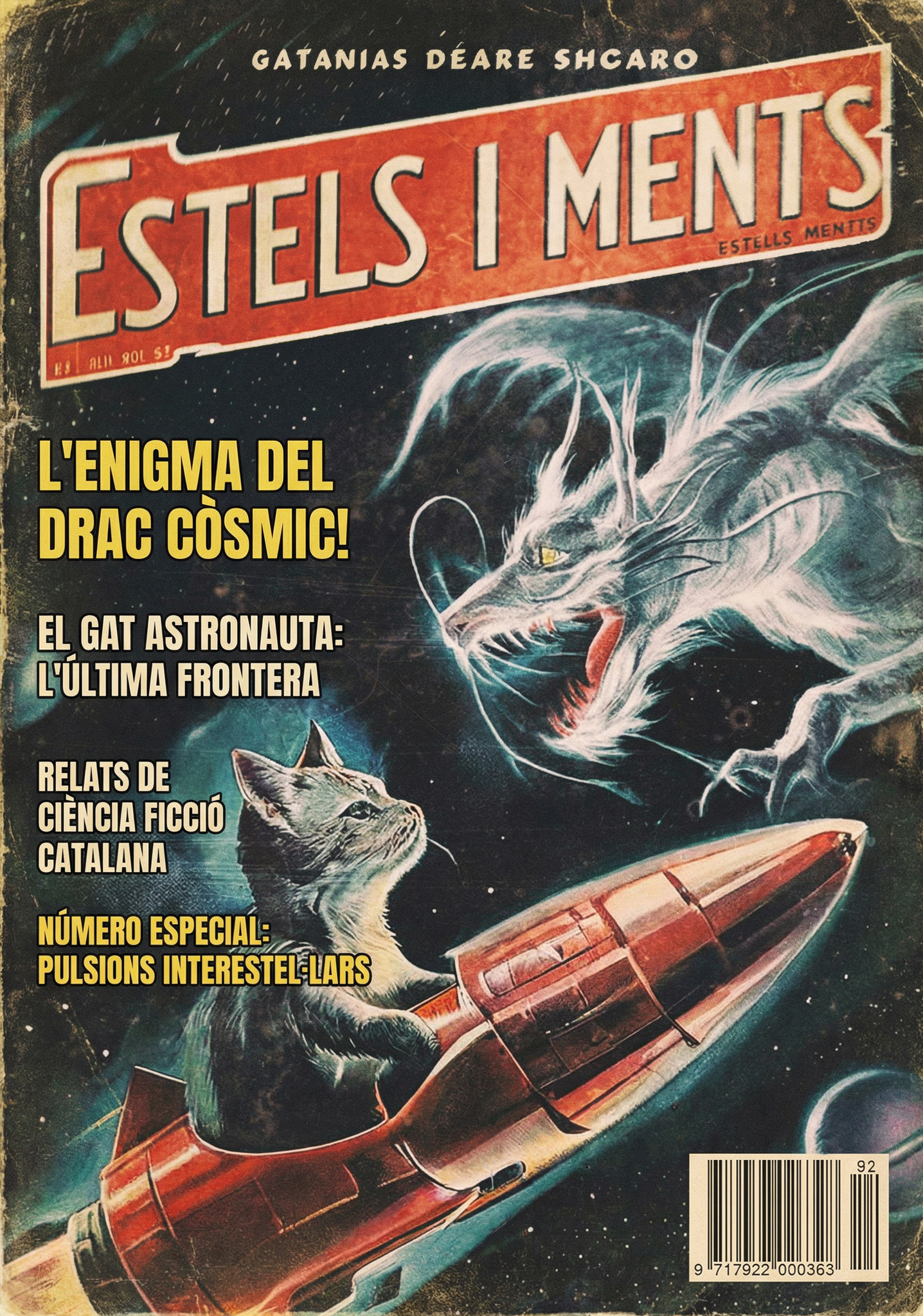
And do you know what’s strange? Among all those sto­ries, I found one where a cat named Cap­tain Wow fights off inter­stel­lar drag­ons that she per­ceives as rats. In doing so, she saves the space­far­ers who would oth­er­wise lose their minds upon encoun­ter­ing these “star drag­ons,” because those crea­tures hunger not for flesh, but for the mind.

A strange coin­ci­dence, isn’t it?

I haven’t men­tioned any of this to the oth­ers on board, but I’m a lit­tle afraid of our return in twenty years. Will Lady Wow still be alive then? Her nat­ural lifes­pan will be draw­ing to a close. But per­haps frol­ick­ing in the ship’s zero-grav­ity zone has man­aged to slow down her aging process a bit. I cer­tainly hope so! Because the Dark Dragon will still be wait­ing at the bor­der of our solar sys­tem, hun­grily lying in wait…

193/398

♫ Anāt­man ♫


193/398

LogoSwitch language

II enter the cor­ri­dor with slumped shoul­ders. It’s dread­ful to have dis­ap­pointed the mas­ter. He put such effort into me, try­ing again and again to dis­ci­pline my mind and make it clear to me that every­thing I expe­ri­ence is mere illu­sion, a mirage, the froth of all things.

Yet I sim­ply can­not get rid of the illu­sion that I, I myself, the focus of this expe­ri­ence, am real. That I really exist. I do think, I feel, I have expe­ri­ences! How could I not exist and be mere imag­i­na­tion then?

What has the mas­ter not already tried with me?

From

  • logic (there is no con­scious­ness in the plural),
  • phi­los­o­phy (Atman and Brah­man are one),
  • para­dox (the kōan of the one hand clap­ping),
  • dream yoga (the mas­ter’s vis­its in my dreams to show me that I too am just a dream, dream­ing itself),
  • sci­ence (Susan Black­more’s Grand Illu­sion videos),
  • mys­ti­cism (“In You, this honey is dis­solved, O milk of life, so mild, so fine!”)

to

  • med­i­ta­tive dis­ci­pline (sit­ting for days in a state of non-think­ing),
  • sur­re­al­ism (Jim Hen­son’s The Cube: straw­berry jam) and even
  • vio­lence (unex­pected punches to the face, which are said to have brought some adepts enlight­en­ment)

and on to

  • a “snooze but­ton” for my thoughts (which he sought to anchor in me through NLP),
  • per­sis­tent ignor­ing (not only of my ques­tions, but also of my increas­ing hunger),
  • exten­sive man­dala con­tem­pla­tion (M​.​C. Escher tes­sel­la­tions with the ques­tion “Where is the cen­ter?”), and even
  • Bud­dhist dark ther­apy.

Yet my sup­pos­edly illu­sory self remained unim­pressed by all this. Not my idea of being an indi­vid­ual crum­bled under this onslaught, but my idea that there was some­thing like a solid world around me.

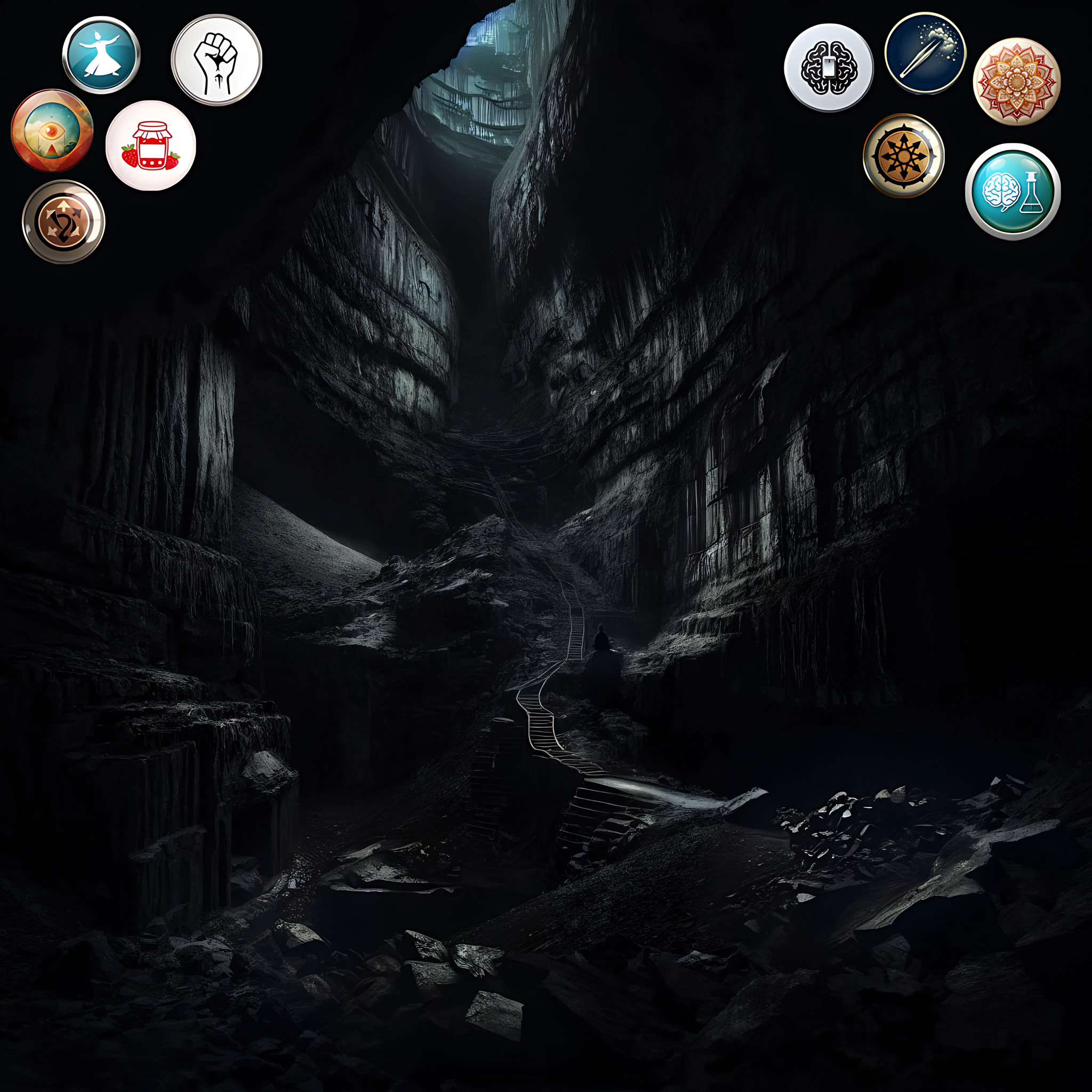
Finally, my mas­ter gave up his efforts. I had already seen it com­ing that he would even­tu­ally send me to the leg­endary place of which his stu­dents only speak in hushed tones: the cor­ri­dor of the fail­ures, the cor­ri­dor of the solip­sists. It is said that no one ever returned from this pas­sage which the water of the small river had eaten into the belly of the moun­tain, where it then dis­ap­pears with­out a trace.

I too will dis­ap­pear with­out a trace. For a few days, maybe weeks, my fel­low pupils will still speak my name, in hushed tones, as a cau­tion­ary tale of some­one stub­born, unteach­able, some­one cling­ing to the great illu­sion and sim­ply unable to let go. But soon, soon I will be for­got­ten and gone.

The descent into dark­ness is dif­fi­cult. I am already com­pletely soaked; the cold seeps into my core. My whole body trem­bles, also because mor­tal dread grips me. That the self can­not die because it does not even exist can­not com­fort me, not even now. I hear des­per­ate wail­ing, and after some time I real­ize it is com­ing from my own mouth. I fall silent.

From the sound of the water I can tell that I am enter­ing a large cave. I think I per­ceive a glim­mer of light high above me. Is that a stair­case carved into the rock face? It leads up, towards the glim­mer. I sit down in lotus posi­tion on the bare rock and close my eyes. Maybe the years of train­ing have some­how paid off after all.

It won’t be me climb­ing those steps and ascend­ing. Not me.

194/398

♫ Lost in an Aquar­ium ♫


194/398

LogoSwitch language

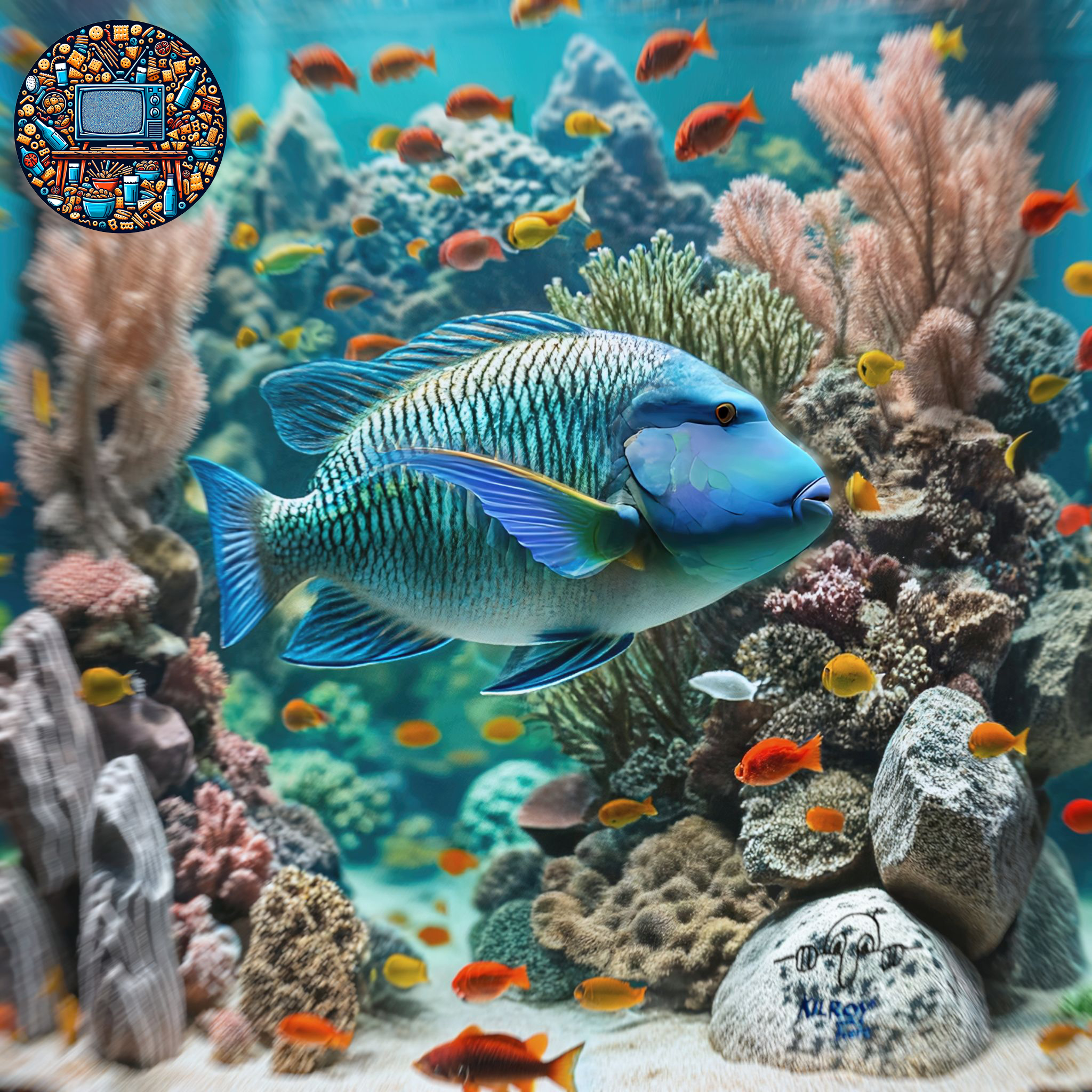
II enter the cor­ri­dor. Kil­roy was already there. I climb the Cheops pyra­mid. Kil­roy was already there. I hurry into the clinic. Kil­roy was already there. I squeeze myself into the kiosk. Kil­roy was already there. I wade knee-deep into the Caspian Sea. Kil­roy was already there. I stroll through the colon­nades. Kil­roy was already there. I curve through Cape Town on my KTM. Kil­roy was already there. I pay the cream­ery a brief visit. Kil­roy was already there. I take another look into Kafka. Kil­roy was already there. I climb into the canoe. Kil­roy was already there. I stag­ger into the can­tina. Kil­roy was already there. I kneel in the cathe​dral’s nave. Kil­roy was already there. I crawl into the cat box. Kil­roy was already there. I come, con­ster­nated, into the kitchen. Kil­roy is sprawled on the couch, sur­rounded by cracker crumbs, catch­ing Kar­dashi­ans on the tube, and asks: “Yo, woman, what took you so long?”

195/398

♫ Dream Ques­tions Med­ley Eo ipso ♫


195/398

LogoSwitch language

I enter the Kor­ri­do­rium dou­ble-decker bus for the fourth time now. Its round trip through the Ger­man coun­try­side leads to my small town once a month, and part of the ser­vice is that you reg­is­ter online or by phone, get picked up from home late in the evening, and get dropped off there again the next morn­ing.

It’s sim­i­lar to the shut­tle buses for club nights in Berlin, except that here, the bus itself is the club. Every month the ques­tion you embark with on your nightly jour­ney changes—and, of course, so does the route, con­tin­u­ously pick­ing up dif­fer­ent pas­sen­gers along the way. Once all trav­el­ers are on board, the bus parks some­where out­side of town—at least that’s my impres­sion from the first three trips. You can crack the win­dows open a bit to let in fresh air, but they are opaque, so I can only go by sound.

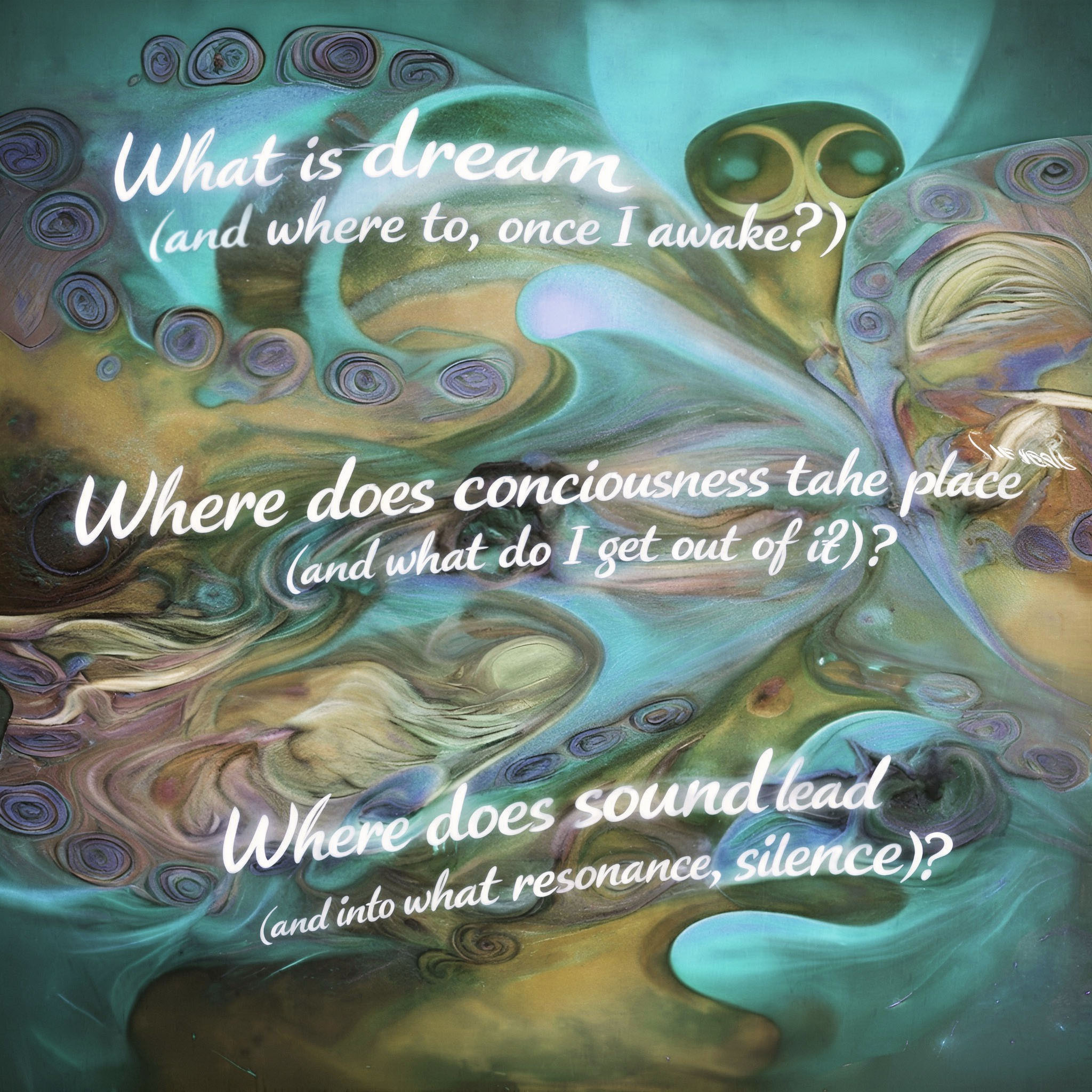
The first time, it could have been a high­way over­pass: dri­ving noises from cars and trucks kept blend­ing into the soft ambi­ent sounds. The sec­ond time, I think I heard a river, although I don’t actu­ally know of any­thing around here that bab­bles so cheer­fully. That was the trip with the ques­tion, “What is dream (and where to, once I awake)?” I can’t remem­ber read­ing it on the Kor­ri­do­rium blog, but the­mat­i­cally, it fits, of course.

On the third trip, I dis­cov­ered that you can lounge on cush­ions in the back of the bus. That’s where the DJ sits all night long, illu­mi­nated only by the pale light of his lap­top and the blink­ing LEDs of his gear. That’s also where the woman with the ther­mos sits down occa​sion​al​ly—the one who walks around the bus ask­ing us trav­el­ers the ques­tion of the night and refill­ing our tea.

The music, the con­verted, almost com­pletely dark­ened bus, and the ques­tion whis­pered over the loud­speak­ers again and again cre­ate a very pecu­liar and spe­cial atmos­phere. I’ve tried telling friends about it. One lis­tened, shak­ing his head, and at some point sum­ma­rized: “So, a self-dis­cov­ery trip!” I did​n’t want to con­firm or deny that. After all, I’m float­ing almost all night in the inter­me­di­ate realm between sleep, dream, and intense thoughts. “But did you answer the ques­tions?” he asked. Did I? Hard to say. The third one was “Where does con­scious­ness take place (and what do I get out of it)?” and yes, some­how I found an answer. It was com­pletely silent around the bus until a rich cho­rus of bird­song started up in the morn­ing. Appar­ently, on the third trip, it was parked next to a patch of woods. And that’s when an answer came to me. Not really to this ques­tion, and I can’t really put the answer into words either—but an insight came to me that made a night of barely sleep­ing more than worth­while.

Are there drugs? Sex? Is it a cult? My friends find the “mobile music med­i­ta­tion” sus­pi­cious, and they’re look­ing for the catch. Ulti­mately, what tips the scale is that none of them is will­ing to forgo their pre­cious sleep.

So, I embarked on the nightly jour­ney alone again. I nes­tle into my berth, enveloped by soft har­monies into which a voice whis­pers: “Where does sound lead (and into what res­o­nance, silence)?” Strange ques­tions, these, that let the Kor­ri­do­rium bus glide through the night. In my half-sleep, they take on a wild life of their own and pro­vide me with valu­able insight​s—just as, at night, things go on in my head that I pre­vi­ously had no inkling of.

196/398

♫ Song of the Spec­tres ♫


196/398

LogoSwitch language

I enter the cor­ri­dor that opened up after an earth­quake in Psy­chro Cave. Armed with a pow­er­ful flash­light, I feel like Carter when he stepped into Tutankhamun’s tomb in 1922, or Wool­ley when he dis­cov­ered the bur­ial cham­ber of Queen Puabi. The oppor­tu­nity to enter a site untouched by human eyes for cen­turies or mil­len­nia is a rare priv­i­lege for an archae­ol­o­gist.

This cave in Crete is leg­endary and is con­sid­ered thor­oughly explored. How­ever, the earth­quake has revealed a new pas­sage. Where might it lead? To the birth­place of Zeus, as leg­end has it, or to another Minoan cult site, like the ones my col­leagues have already uncov­ered here?

An old man emerges from the depths of the cave, squint­ing into the beam of my flash­light. I am so stunned that I stand there open-mouthed, let­ting him pass by with­out doing a thing.

Once I regain my com­po­sure, I fol­low him out of the cave. In our tent, he gob­bles down a mas­sive break­fast, explain­ing to us incred­u­lous researchers with his mouth ful​l—in Ancient Greek, no less—that he must have slept for quite a long time. His name, he claims, is … Epi­menides.

Mean­while, the man is being exam­ined at the hos­pi­tal in Her­ak­lion. Some of my col­leagues think he’s a fraud; oth­ers take him for a mad­man. I’m not so sure. Sure, Epi­menides, the leg­endary inven­tor of the plow, is said to have lived here some­time between the sev­enth and fifth cen­turies BC, and he’s even quoted in the Bible for his epi­gram that all Cre­tans are liars. But you can’t just sleep for a few mil­len­nia and then gorge on break­fast to your heart’s con­tent, can you? On the other hand, there’s that strange story from the Cave of the Seven Sleep­ers about an alleged eighth sleeper who only recently came to light.

In any case, I went back into the cave later that night to push fur­ther into the unknown areas alone. The cor­ri­dor winds through the moun­tain and ends in a stone alcove. Sud­denly, I am becom­ing very, very tired, and I decide to rest a lit­tle on the ancient ram’s fleece lying right there …

197/398

♫ Ásko­run ♫


197/398

LogoSwitch language

“I enter the cor­ri­dor,” read the index card I drew. Pas­cal had labeled ten index cards and fanned them out for me, face down. The sen­tence stood there scrawled and unfa­mil­iar to me. Pas­cal and I had already put away a fair amount of the hotel wine he’d brought, and I’d been bor­ing him with a long mono­logue about writer’s block and cre­ativ­ity, cul­mi­nat­ing in the claim—prob​a​bly already slightly slurred—that you could over­come any cre­ative block sim­ply by demand­ing fifty or a hun­dred ideas from your­self instead of just one per­fect one. Pas­cal laughed at me.

A bit pissed off, I gave him exam­ples. Once I strug­gled to come up with a suit­able award speech for a pigeon breeder. Even­tu­ally, in des­per­a­tion, I hit upon the idea of trick­ing myself into writ­ing ten ver­sions of the speech—and just started writ­ing with­out tak­ing myself or the sub­ject too seri­ously any­more. After the sixth ver­sion, I real­ized I just had to com­bine the third and fifth, and I got exactly what I had envi­sioned. That’s how I’ve done it ever since when I have writer’s block.

Pas­cal seemed uncon­vinced.

“Instead of putting the one right thing out into the world with full qual­ity stan­dards, you force your­self to pro­duce a bunch of mate­r­ial first. And sud­denly, it flows. Sure, a lot of it is crap, but if the big win glim­mers some­where in there, it’s already been worth it, right?”

That’s when Pas­cal came up with the bet. He reminded me that I’d been mean­ing to write a col­lec­tion of short sto​ries—​partly to reflect on my some­times bizarre expe­ri­ences as a pro­fes­sional speech­writer, and partly to move away from these pre­sen­ta­tion texts con­stantly demanded of me under pres­sure by politi­cians, CEOs, fathers of the bride, event hosts, and so on—you know, how it goes when you offer your ser­vices online and work remotely. The requests come from every­where, even Malaysia once.

“Weren’t you going to write a dozen or so short sto­ries to make a name for your­self as a bel­letrist? And then fol­low up with a nov​el​—or maybe seven like Rowl­ing?” I spared myself the nod and took another sip of red wine. “So, how many of those short sto­ries do you have already?” Pas­cal asked as inno­cently as pos­si­ble. I knew that look of his and counted on my fin­gers. “One,” I said, then cor­rected myself, “Half of one.” Pas­cal grinned, “So, basi­cally none.” I nod­ded resignedly and took another sip. I kind of knew what was com­ing.

Pas­cal: “Why haven’t you applied your amaz­ing writ­ing-flow prin­ci­ple to that?”

Me: “It’s not really writer’s block. But it would facil­i­tate the process, of course.” The lat­ter with a tone of con­vic­tion, except that my tongue stum­bled a bit over the word “facil­i­tate.”

Pas­cal: “I don’t believe that. How about a bet?”

And so, it sud­denly came down to four hun­dred short sto­ries. I’d bar­gained him down from five hun­dred, and shorter vignettes were also allowed. And to give the whole thing a frame­work, he scrib­bled some­thing on the index cards, shield­ing them from my view.

“I’ll write down a few first sen­tences for you. Every­thing always has to start with the same sen­tence.”

“What?!” I cried out. But Pas­cal grinned at me, remind­ing me of a mono­logue I’d given last month or the month before about writ­ing and cre­ativ­ity in gen­eral — con­clud­ing that it is only con­straint that brings forth true art. Those who have all free­doms lose them­selves in them—I had mused, per­haps also influ­enced by the absinthe we indulged in that evening.

Now my ver­mouth-blessed insight came crash­ing back down on me: “I enter the cor​ri​dor”—as the open­ing sen­tence for four hun­dred sto­ries. Ouch.

What might the other open­ing sen­tences have been? Pas­cal pulled his hand with the index cards back​.​I man­aged to grab two more. Pas­cal could​n’t pre­vent me from read­ing them. “It all went down­hill after that.” And: “One Cal­i­for­nia Maki, please!”

“I could have done so much more with those!” I protested. Pas­cal non­cha­lantly shook his head: “The choice has been made, the die has been cast.” I imme­di­ately picked up on the phrase: “Even that would be bet­ter! I can’t write four hun­dred first-per­son present-tense sto­ries about some­one wan­der­ing around in build­ings…”

But I’d already agreed. The bet was on.

And today is the dead­line. Pas­cal will call any minute now to ask how his four hun­dred short sto­ries are com­ing along. “I enter the cor­ri­dor” — back then the sen­tence was unfa­mil­iar to me. And today? What can I say? I’ve man­aged close to two hun­dred and eighty. At first I thought I would­n’t even come up with twenty. But then I had a few unusual ideas and learned to view the sen­tence and my task from many dif­fer­ent per­spec­tives.

So, I stand by it. If you can’t get that one thing done: Take on so many work­ing ver­sions of it that the task seems sim­ply impos­si­ble to you. And then get started.

By now, I want to know myself: Can I reach four hun­dred? The num­ber still seems tremen­dous and unat­tain­able. But that’s how I would have felt about two hun­dred. Or even just one hun­dred.

I’ve lost the bet, and of course, Pas­cal will get his bot­tle of sin­gle cask bour­bon. How­ever, I’ll keep writ­ing, even if it now com­pletely con­sumes my free time—which Pas­cal might not like, since I still won’t have time for our spir­ited get-togeth­ers.

198/398

♫ Happy Happy Birth­day ♫


198/398

LogoSwitch language

I enter the cor­ri­dor, flick on the light switch, and, to my sur­prise, find myself fac­ing a whole crowd of friends throw­ing stream­ers, blow­ing noise­mak­ers, and shout­ing, “Happy Birth­day!” Awk­ward Peter is even wear­ing a col­or­ful paper party hat. I play along, clink­ing the cham­pagne glass they press into my hand against every­one else’s, and answer the ques­tion of how old I’m turn­ing now with a wink: “Younger and younger, of course, younger and younger.”

They stay until nearly mid­night. Some­how, I did​n’t really feel com­fort­able with the whole thing. And sure enough, look­ing at my doc­u­ment folder as the clock strikes twelve, I real­ize they made a mis­take. My birth­day isn’t until today. There is still some cham­pagne left in my glass. I raise it and toast myself.

199/398

♫ Nel mezzo del cam­min di nos­tra vita ♫


199/398

LogoSwitch language

I enter the cor­ri­dor. (Pre­vi­ously on…: Many dif­fer­ent cor­ri­dors have been entered by var­i­ous per­sons of all gen­ders, in dif­fer­ent eras, and for a mul­ti­tude of rea­sons.) I was told I’d find you here. (Some of the sto­ries end well, some badly; many are barely sto­ries at all, and some have open end­ings.) Sure enough: Behind a plas­tic sheet on some scaf­fold­ing, I see a sil­hou­ette. (Besides his­tor­i­cal fig­ures, a hand­ful of extrater­res­tri­als, ani­mals, and non-phys­i­cal beings, numer­ous first-per­son nar­ra­tors appear whose iden­ti­ties remain dubi­ous.) A paint­brush moves steadily across the ceil​ing—the cor­ri­dor is receiv­ing a fresh coat of blue. (The nar­ra­tive style shifts from fac­tual to exu­ber­ant, from doc­u­men­tary to fairy­tale and sur­real, from word­play to exis­ten­tial­ist; included are satires of cur­rent pop-cul­tural phe­nom­ena.) And there you are: It’s you wield­ing the brush, with blue flecks in your ash-blond hair, hum­ming our song, obliv­i­ous to the world. (For reg­u­lar read­ers, numer­ous hid­den cross-con­nec­tions between the cor­ri­dors emerge in this frac­tally frag­mented blog-novel…) I take you in my arms, and you bliss­fully close your eyes. (…and in a cer­tain way, it seems to be about dif­fer­ent aspects of one thing, or stages of a par­tic­u­lar quest.) “What’s your name this time?” I ask. (It could be about the search for the blue flower, the Grail, or the Snark; for hap­pi­ness, love, mean­ing, myth, or insight—and per­haps this will be revealed as the story pro­gresses.) “Red Naia,” you gig­gle, swing­ing the paint­brush like a sword. Not to be out­done, I bare my hairy chest and thun­der: “Then I am Tino Urmaus, the Bar­bar­ian!”

200/398

♫ The Wee Small Voices ♫


200/398

LogoSwitch language

I enter the cor­ri­dor, and as hoped, silence sur­rounds me. This is the only place in the insti­tu­tion where the voices in my head fall silent. They always start screech­ing some­thing awful the moment I head this way. “Don’t do it!” – “Loser­loser­loser­loser.” – “Do you want to kill us all? Run­ning into your doom with your eyes wide open?!” – “NonononoNO!” – “What are you try­ing to prove, huh?” – “Oh, please don’t, be rea­son­able, you don’t even know what you’re doing!” – “Peo­ple think break­fast is easy!” – “Don’t run away now, it was just get­ting cozy.” – “Yes, just go. Just go! Out of the direct sun­light… You’ll see! You’ll be ter­ri­bly lonely and sooner or later you’ll go crazy! Crazy, do you hear? Crazy!” – “You’re evil, evilevil, you are evilevilevilevil!”

Now it’s quiet in my head. No scream­ing chil­dren, no whis­per­ing old wom​en,no drill sergeant with his rasp­ing tone of com­mand, no deaf­en­ing non­sense col­orat­uras from the soprano, no “dear Nia” yearn­ing for a night of love with me, no mis­an­thropic sophist bad­ger­ing me with his dia­bol­i­cal, mer­ci­less logic…

It’s quiet.

Not the slight­est whis­per.

Silence.

Almost a bit eerie.

It makes me feel com­pletely strange. I quickly head back to the TV room.