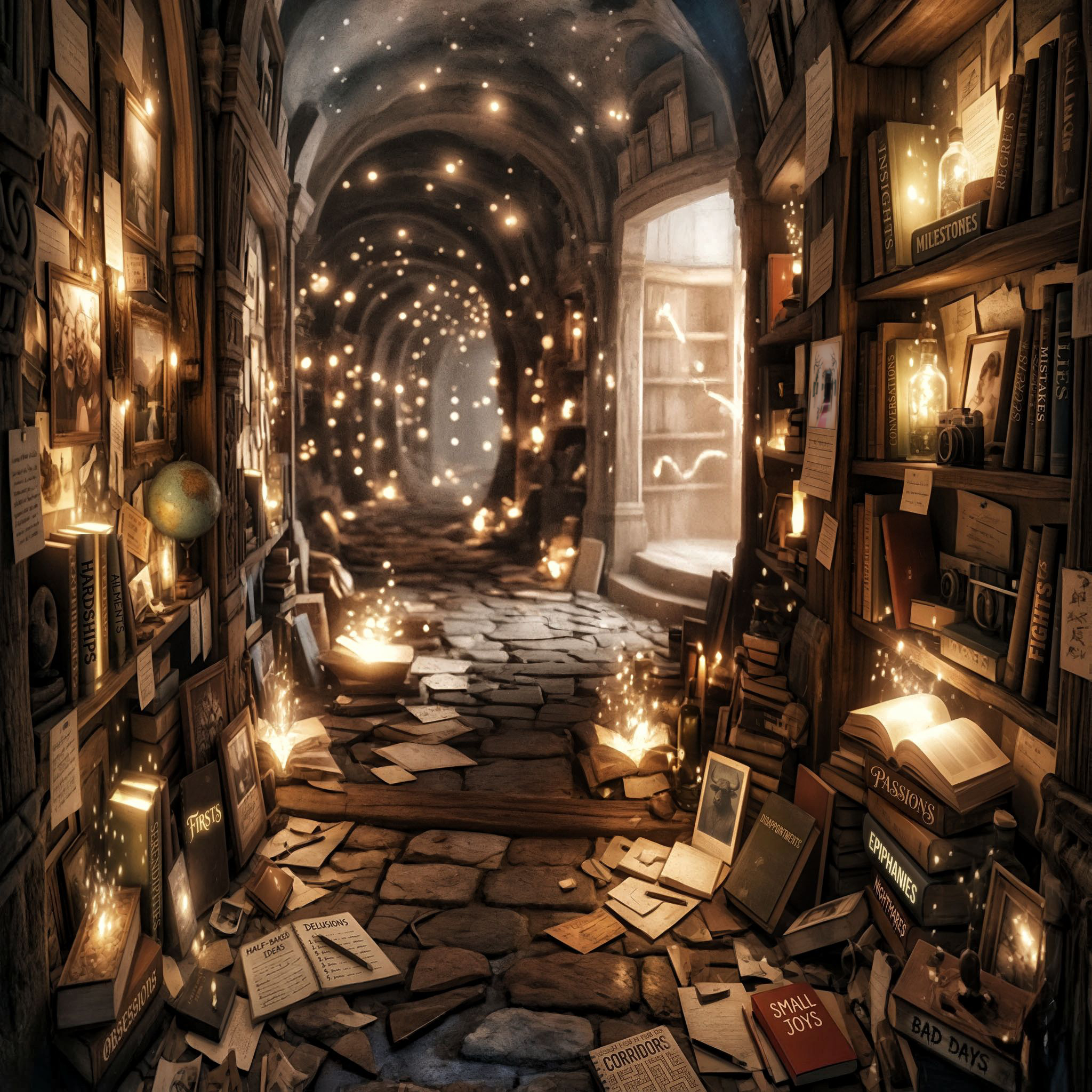
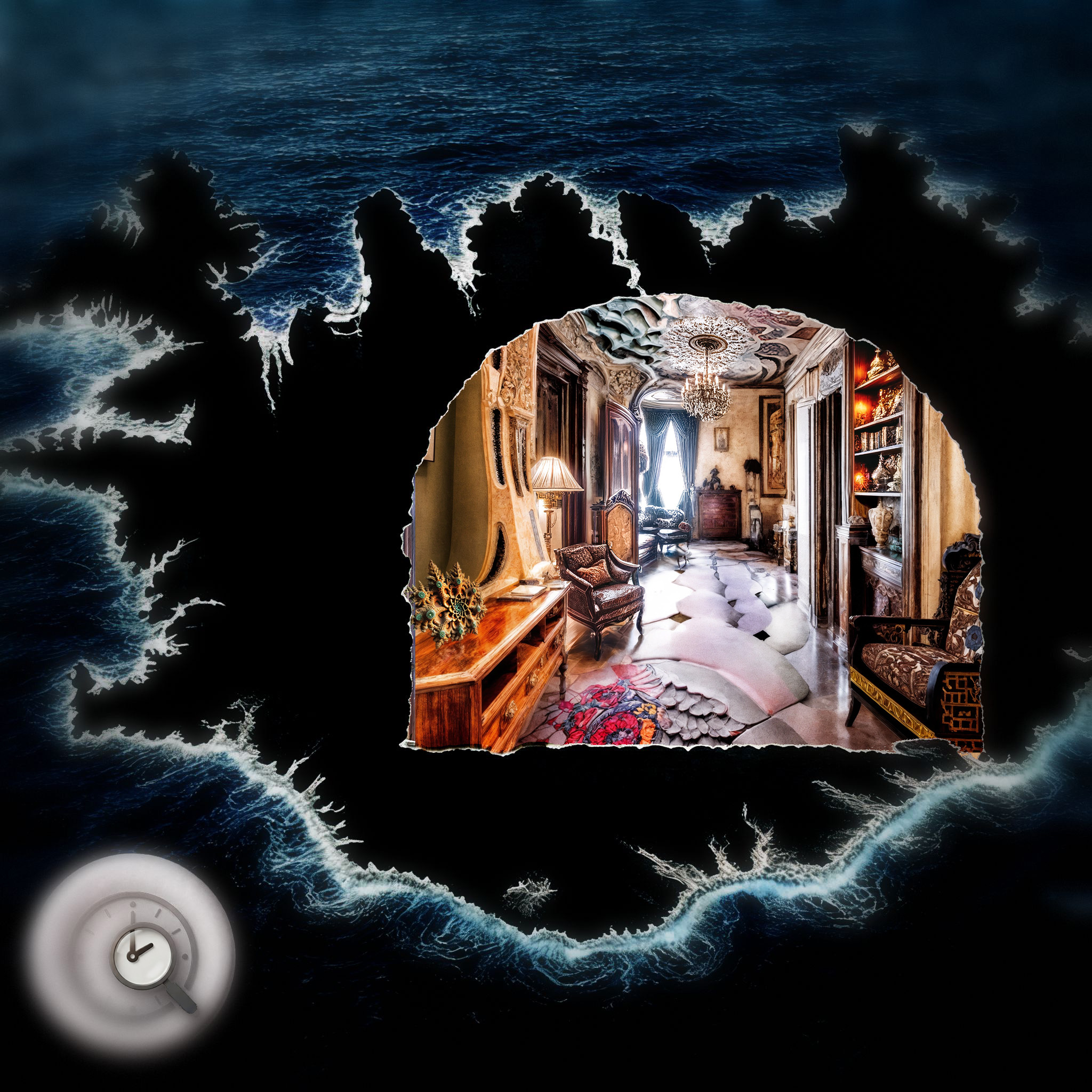
I enter the corridor. It is the corridor of my memory. Here, places, experiences, anecdotes, books, conversations, and feelings are piled high, with plenty of half-baked ideas scattered about.
My eyes land on our time together: those moments shimmer and sparkle with mystery, as if glowing from within. I turn around. I enjoy being here, but I don’t want to stay. There is still room in the corridor. I want new memories to fill it. And most of all, more memories with you.
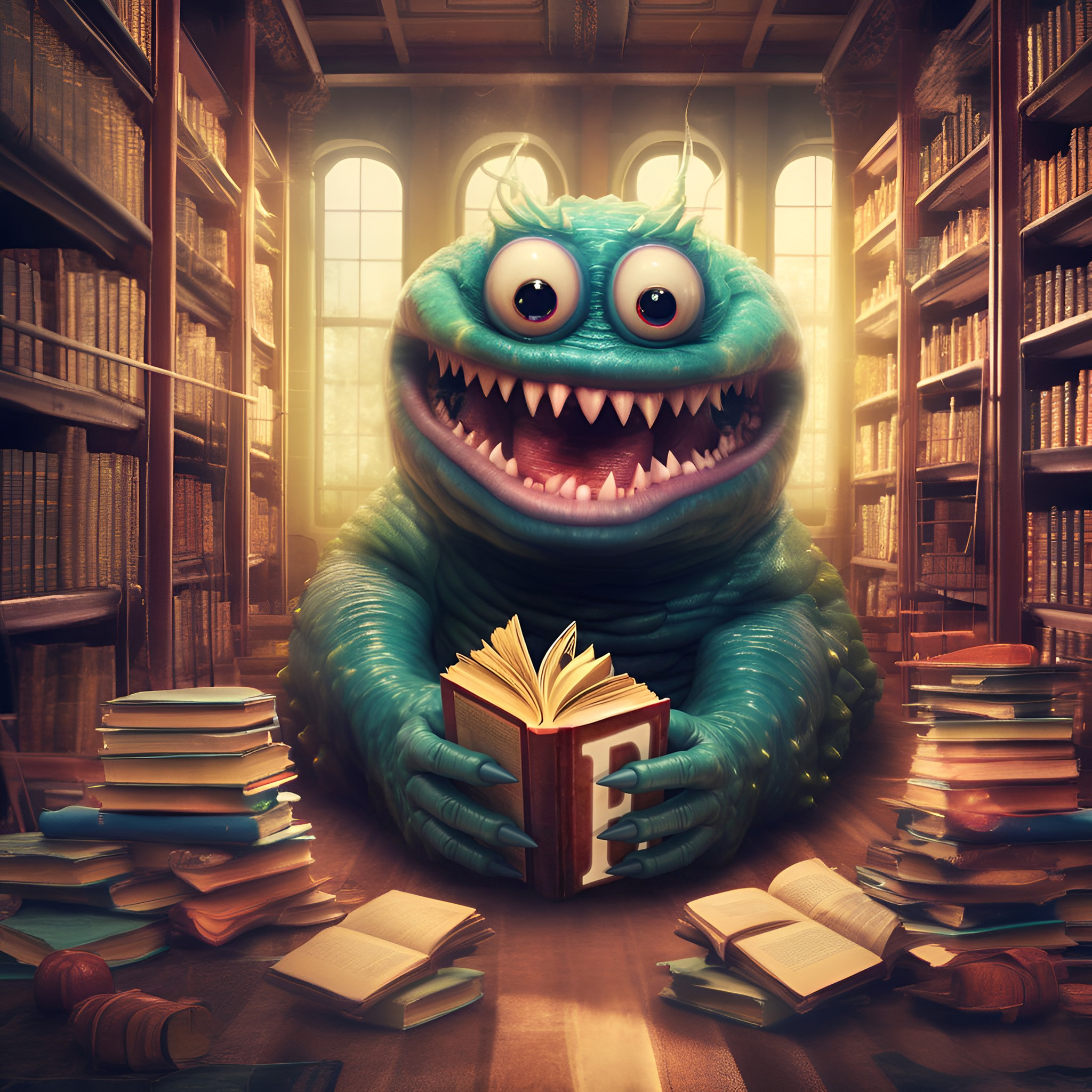
I enter the corridor that my comrades have devoured through the hefty tomes of Douglas Hofstadter. They’ve discovered a passage where Guiseppe Varaldo’s sonetti monovocalici are quoted. Finally, I can eat my fill again!
In the novel A Void, which, even in several English translations, contains not a single E, I recently found myself severely emaciated amidst rough masses of cellulose flour—until I finally realized that I desperately need E’s for my physical well-being and can’t metabolize other vowels.
Now, thanks to my bookworm buddies, there’s a real feast awaiting me: Varaldo has infused his sonnet retelling of Dante’s Inferno with a generous dose of Vitamin E!
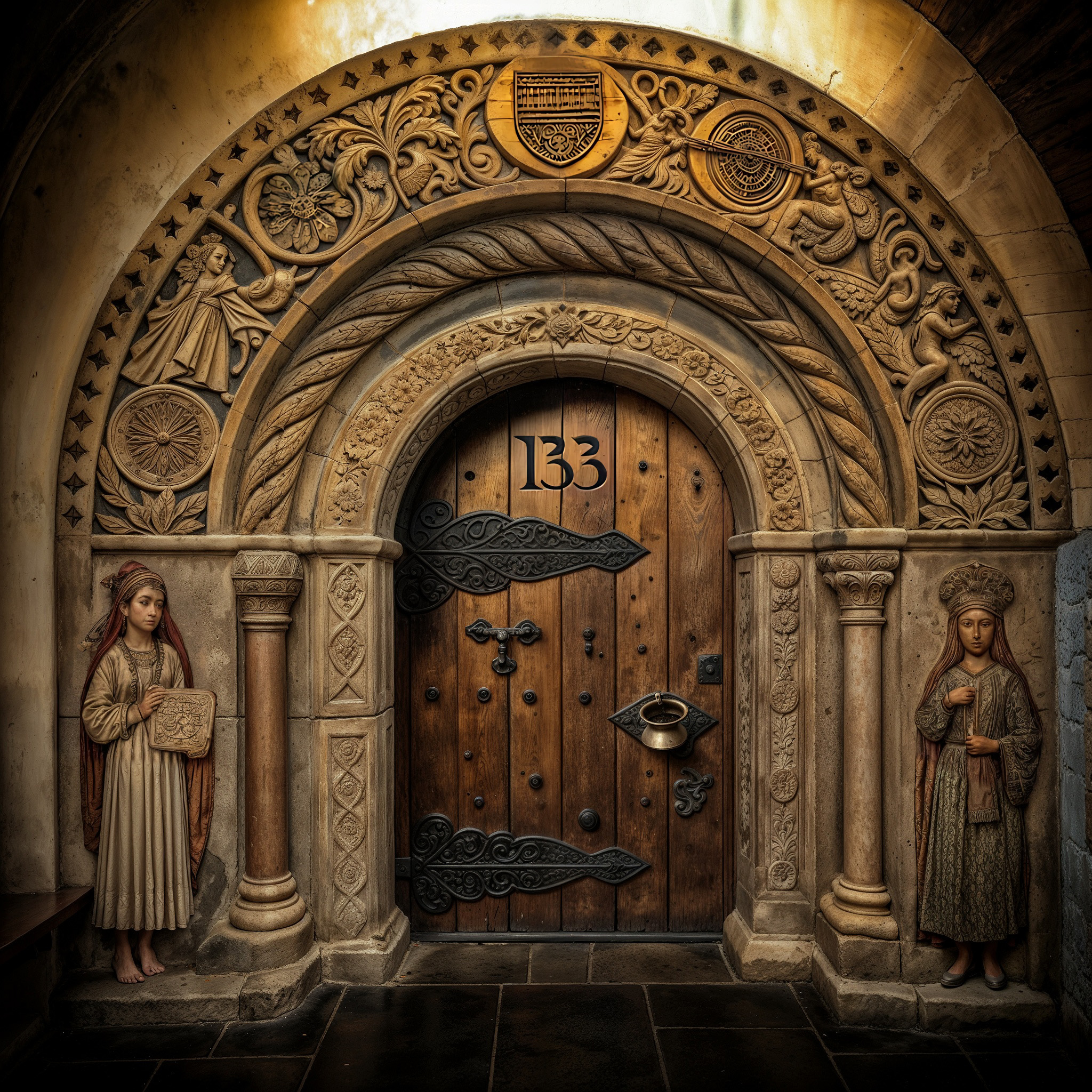
I enter the corridor of the Aesir. I have traveled a long way to reach the Senior Residence of the Retired Gods, and to be granted entry, I had to hand over my entire travel budget to the director. (n her defense: Since these gods are mostly just crossword clues now, homes like this are starved for subsidies.)
I am plagued by the concern that I might run out of ideas, after more than a hundred and thirty entries for a collection of texts opening with the same sanctimonious words: “I enter the corridor.” (The collection is intended to comprise nearly 400 of these accounts, which means I haven’t even finished a third.) Here, however, I hope for new inspiration and a cornucopia of equally surprising and profound ideas; it should be more than worth the effort to seek advice and support from the old, worldly-wise goddess of sagas and stories. It’s likely been a long time since a skald visited her.
“Sága” is written on the small sign next to the door. I have reached my destination and knock boldly. After a moment, I hear footsteps, and a sharp female voice asks if I have brought an offering. “No,” I call out through the door. I come, I add by way of explanation, from an enlightened, scientific age.
“No offering, no information,” is the reply, and the tone leaves no room for argument. The footsteps move away.
Rats!
In this, the old and the new gods are much alike: they always wind up throwing you back on yourself.
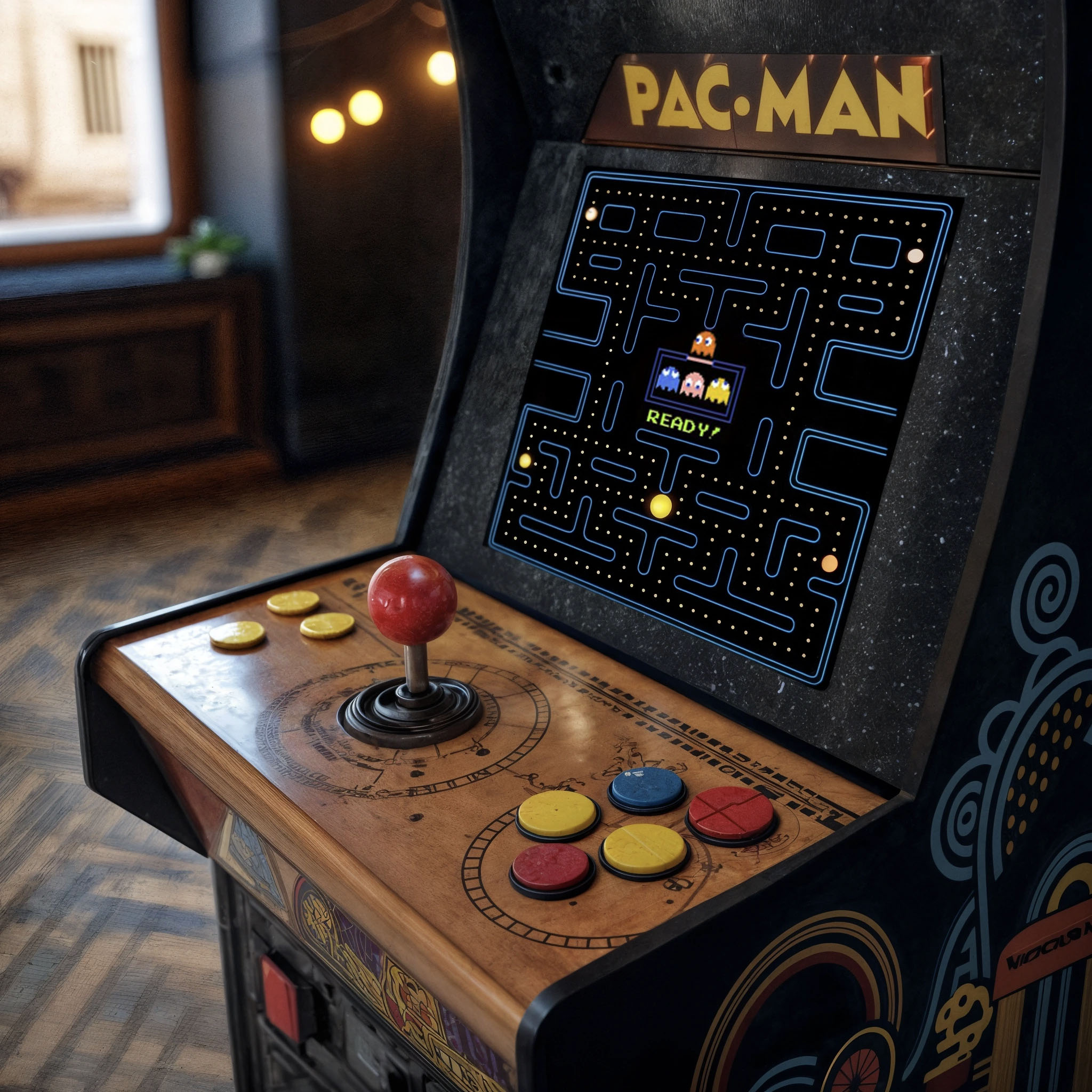
I enter the corridor, right, and chomp the dots (10 Pts) on my way, down, to a cherry left, but the ghosts are already, down, getting, right, menacingly close, up, before I reach the life-saving, upright, power pellet (50 Pts), now becoming the hunter myself, up left, chasing the flashing blue ghosts, up, to banish them, right, succeeding with one, up: banished! (200 Pts), down, before the other three change, left, and I can see that I caught back, the orange ghost—it’s Pokey—continuing to chomp dots (10 Pts) on my way down, but suddenly, I am ruthlessly pursued by Shadow and Speedy, back, back, right, and finally backback overrun by Speedy right where, of all places, I initially entered the maze.
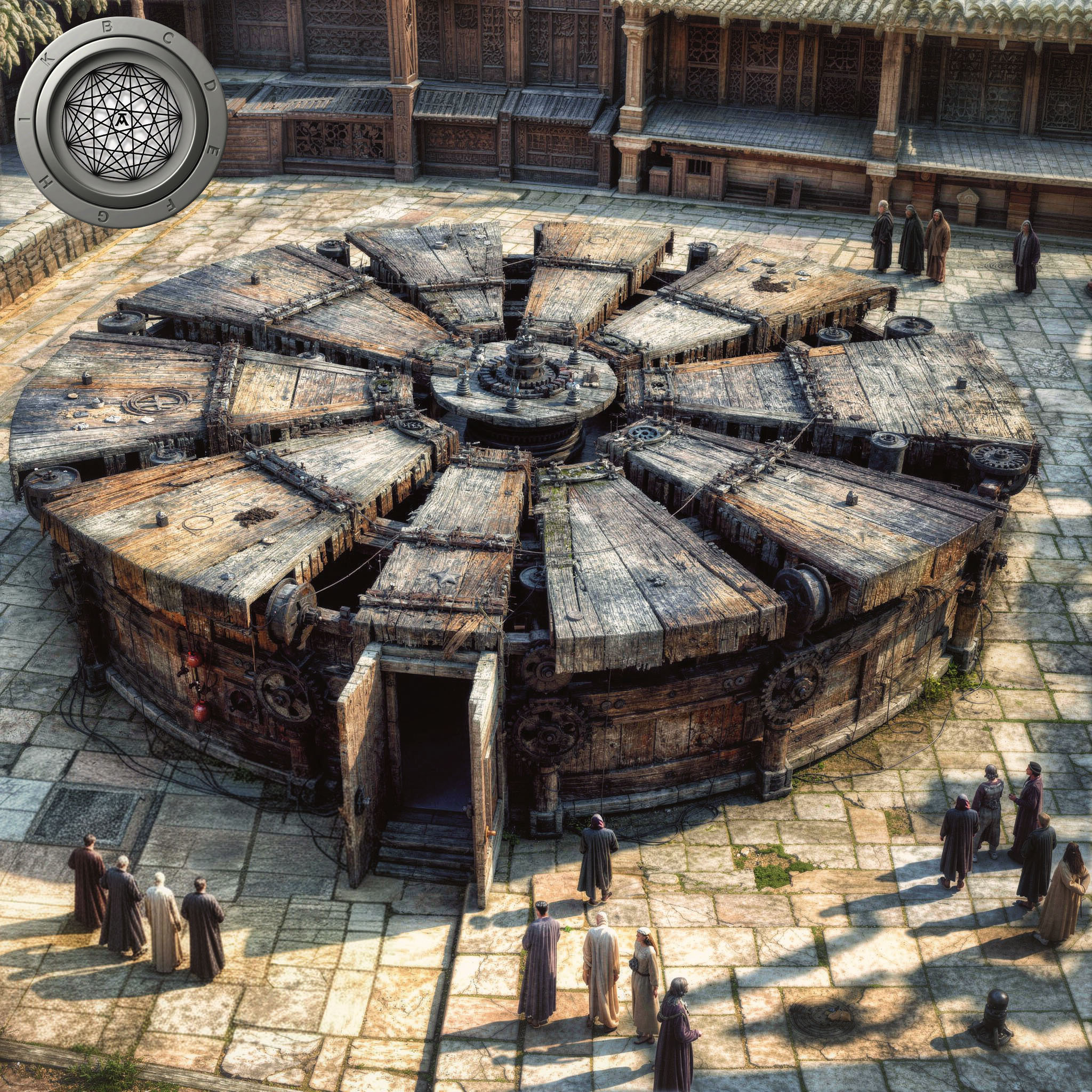
I enter the corridor that has opened up after Abdoul and I turned the large wooden wheels a bit further. I still cannot fathom it. After so long a time! My Ars magna has become accessible, and now all may see how grande, how majestic, how all-powerful God is. What were just a few labeled paper rings before, this ingenious mind I met in the Djamaa ez-Zitouna, the Olive Tree Mosque, has crafted out of timber. Now, when you climb one of the minarets and view it thence, my Ars magna resembles a huge overturned church clock, almost filling the entire courtyard, except that it doesn’t indicate the time but the truth.
Truth must be logical because God—or Allah, as they call Him here—does not entangle Himself in contradictions like us humans. His truth can reveal itself to us in a wonderful way. Just as it opened before my eyes when I slid some labeled paper rings on top of each other, revealing the Ars magna to me, it is now tangible in Abdoul’s grand mechanism.
We have taken the Complete Figure with the squaring and triangulation of the perfect circular form as the basis, and Abdoul has crafted huge, movable spoke wheels for it. Each spoke carries a term, in Latin and Arabic, and turning the wheels shifts them against each other. Encountering this theologian, who is also a gifted designer, was a great stroke of luck for me. Now, I can literally walk through and feel the virtues of God: His eternity and power, His wisdom and His will, the entire glory of the Highest. Now we, young Abdoul and I—an old man of eight decades—can create chambers, as I have always dreamed, corridors of concepts that make irrefutable statements about His actions and His existence, rendering all disputes between religions obsolete.
The Muslims who gather to view our work whisper among themselves. The wooden mechanism, which allows the ultimate truth to be found, the walkable Ars generalis ultima, seems to scare and displease them. More and more of them are pouring forth into the courtyard, and their voices are getting louder. However, I feel upraised, and if Abdoul did not restrain me, I would lead them all into the Ultimate All-Encompassing Art and show them that it may answer all their questions.
“Is the world everlasting?” This is the question Abdoul and I have chosen, and we have set the large wooden wheels accordingly: B for the question “whether,” D for the Eternal—and for C, the middle position, we have chosen Goodness from the catalogue of qualities. And now I stand in the midst of the answer to it, the only possible and logical answer. We see it in the chambers and corridors that form: If His creation were eternal, in logical consequence, so would be Goodness without end. But if Goodness were without end, there could be no Evil, because Chamber C can only symbolize either one or the other, never both, true to His infallible logic. However, since there undeniably exists Evil, and we experience and feel it everywhere and at all times, this is a contradiction that reveals to us that the world cannot possibly be eternal. Only God is eternal. I would like to shout this from depths of mine heart to them, to the whole world, and lead them all by the hand if Abdoul did not earnestly beseech me for patience and caution.
Nevertheless, an internal rejoicing fills me. It is almost as if the vision I had over fifty years ago, which gave an unexpected turn to my life as a troubadour, has finally become reality: wooden, mechanical, tangible, irrefutable reality.
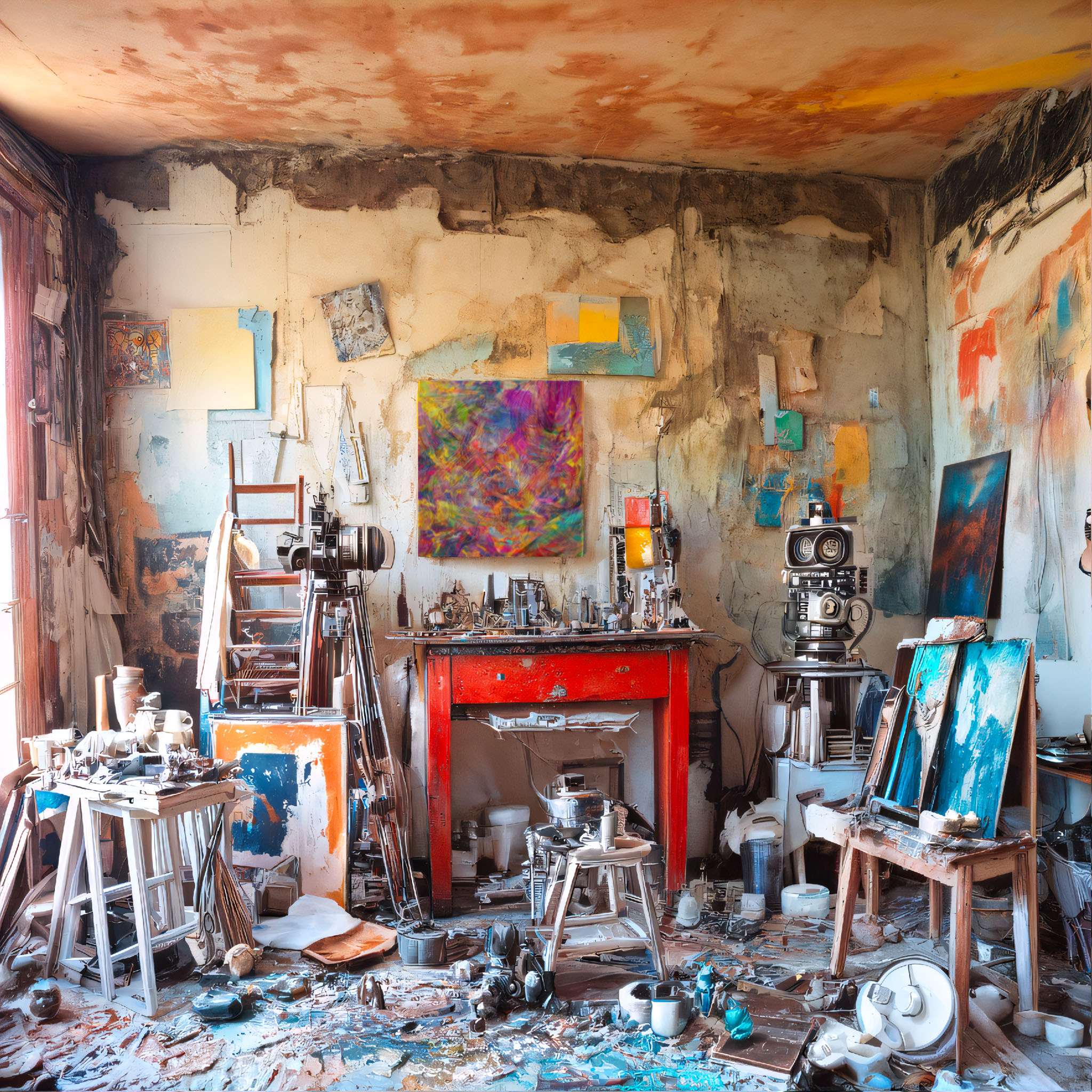
I enter the corridor. And although I’ve walked the path to the studio hundreds, perhaps thousands of times, today is different. I gaze at the cubist paintings on the walls, the curious figures and machine-beings in the niches—favorites, unsellable pieces, small works of art I once found inspiring and perhaps life-defining. Now, suddenly, they confront me with the truth: there will not be enough time. I have taken on too much. I shouldn’t fool myself into believing I can ever complete everything in my notebooks waiting to be realized. I will leave behind unfinished paintings, sculptures that exist only as sketches, collages that have barely progressed beyond the idea stage—a chaotic, fragmented assemblage, incomprehensible in its entirety: enigmatic and, in all likelihood, thoroughly misunderstood.
Dizziness sweeps over me, and I have to lean against the wall. I resolve to produce more, sleep less, and stop letting myself be distracted, focusing instead on the essentials. Perhaps I can scale back my simple, frugal life even further to avoid constantly working for money, allowing me to devote myself to art with even more focus, more intensity, and more exclusivity?
Yet I cannot deceive myself. No matter what I do, it won’t change the fundamental truth: life is simply too short—and art far too long.
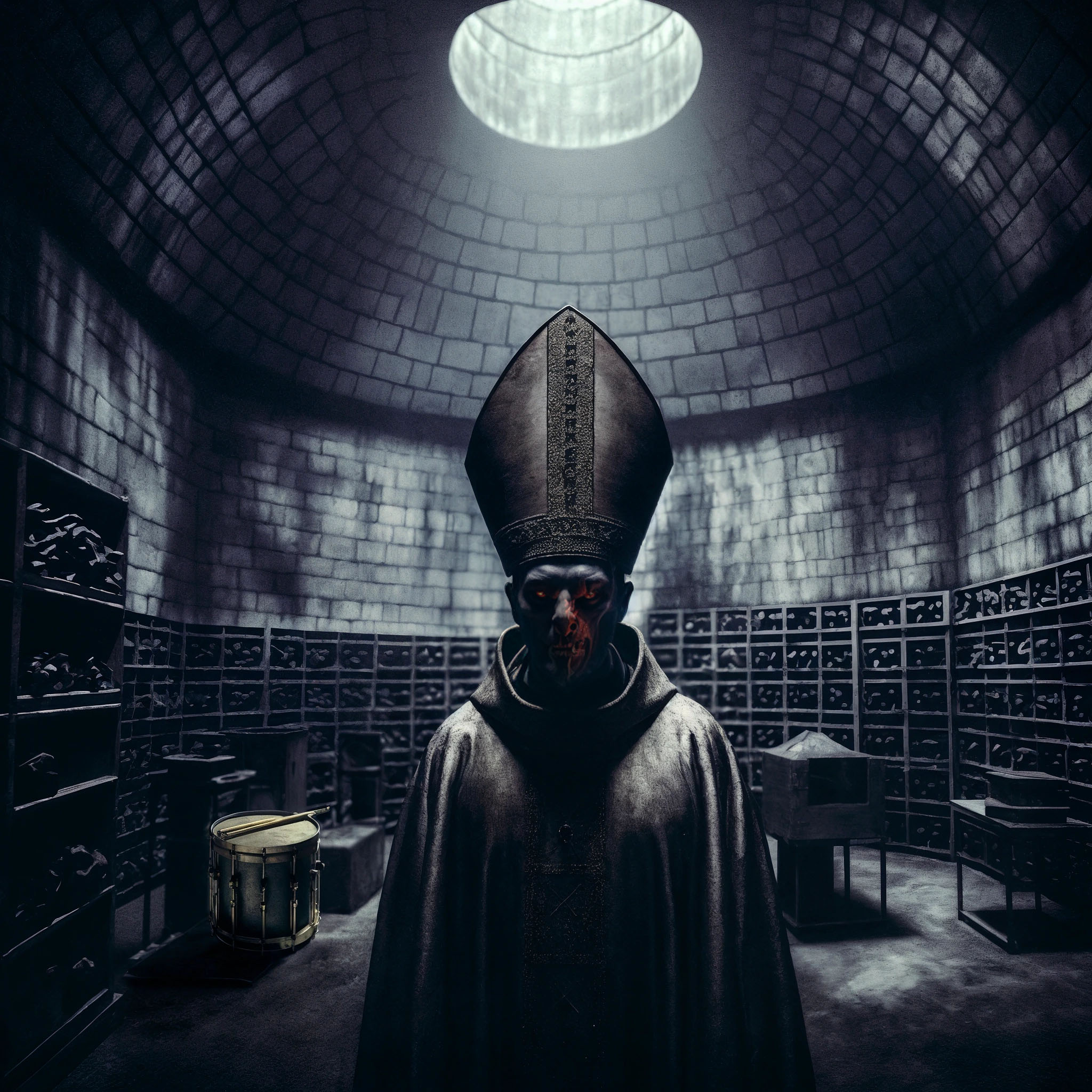
I enter the corridor. The door slams shut; the “witch’s” screams fade away. Good idea to hide my horns under a mitre. Nor did the torturers notice the cloven hoof.
I enter the corridor every night before falling asleep. It’s become second nature to click off the bedside light, settle in, close my eyes, and try to reach the corridor that bridges the two worlds. Yet, as always, the images in my mind remain faint; it feels more as if I am laboriously constructing the corridor than simply entering it.
When my twin brother died, it was as if someone had cut out half my heart. In an instant, the world lost its vibrancy, and a milky veil settled over everything.
But then, almost a year later, one night in a dream, I was suddenly surrounded by colors I couldn’t name—colors that shouldn’t even exist. Amidst this shimmering, fluorescent splendor, he suddenly stood before me. He looked different, older, and he no longer wanted to be called Dignus, but Korian. In the dream, I knew nothing of the suicide, but I felt my brother had something vital to tell me, something concerning him, me, and this corridor between worlds where our encounter took place.
Waking up was terrible. I was still buoyed by the closeness of him, and I knew immediately how profoundly significant my dream experience had been. But simultaneously, a bitter, angry despair crawled up within me because, despite all my efforts, I could no longer remember what Dignus—what Korian—had said to me. There were only the colors, those insane, impossible colors. The content of his words, even the world-corridor itself: they had lost their contours and dissolved like a footprint in the desert sands. I doggedly racked my brain, and of course, I fervently hoped the dream would repeat itself—in vain. The door had swung shut again. Nevertheless, I made it a habit to review the few memories I had left while falling asleep. Perhaps the door to this corridor, the door to Korian, would open for me once more!
The dream never returned—not in the nearly thirty years that followed. Oh, I did begin to dream of corridors; corridors of every kind, shape, and texture—but not the corridor. And not of my twin brother.
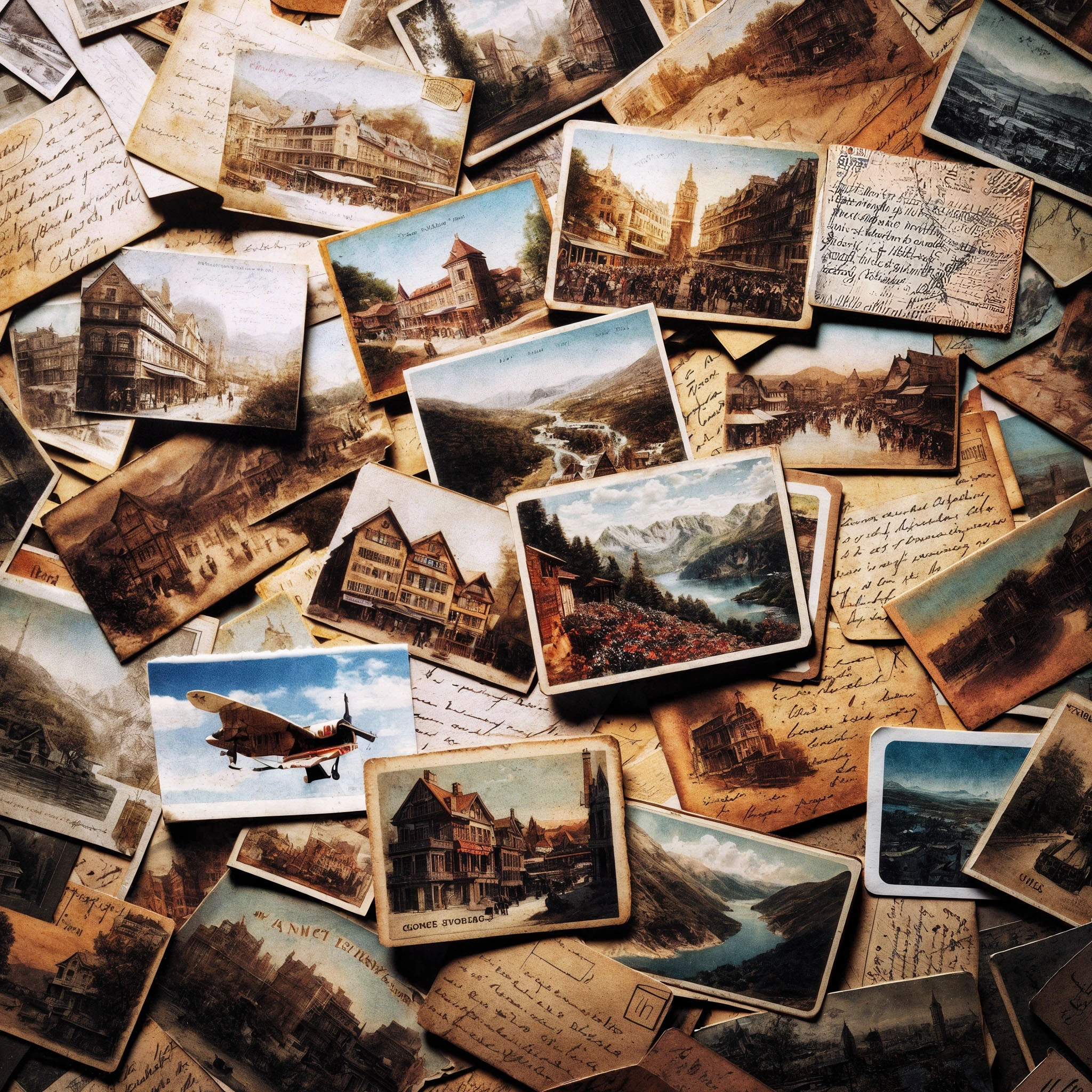
Eventually, I began to write down the fragments of my memories from those failed, tangled dream-corridors that blocked my way to the real one—hoping to rid myself of them. I used the postcards for this: the large bundle of old postcards from all over the world that Dignus had once bought at a flea market and given to me. There were 398 of them, as it turned out, and I was supposed to read one each day for a year, imagining he was sending them from his secret travels. That had seemed too crazy to me then; I only started reading them once he had actually departed on his journey.
When I decided to write down those false dreams of misleading corridors to finally be rid of them, I did it on those cards—between the lines, around the exotic stamps and postmarks, on every free inch. And then, sometimes, I turn them over to look at a yellowed photo, and it feels as if those are the very colors in which that forgotten corridor between worlds once glowed.
I enter the corridor—and however fleeting this step may seem, I try to perceive it intensely with all my senses. “Ars longa,” they say, “vita brevis.” Yet, it’s like the fractal coastline: How long is Iceland’s shore? The water laps against headlands, rocks, and individual stones. The closer you look, the longer the shoreline becomes.
One can get lost in the blur of the infinite at the molecular or atomic level, and the step into the corridor could seemingly last forever. That’s not what matters to me. What matters to me is an awareness of details and nuances, without losing sight of the bigger picture. Sooner or later, this evolves into the art of living.
I enter the corridor, at long last, after arduous attempts to fall into a trance. Now I’m back in familiar territory. From the beginning, in my imagination, it has always been this corridor—with its bare brick walls and fading frescoes on the vaulted ceiling—that has led me to my past lives. I study them to glean details and information for my research as a historian, insights that the sources available to me as a scholar would never yield. Of course, none of my colleagues, let alone the director of the institute, can ever know about this.
This time, however, it’s different. At the end of the corridor, no door awaits to transport me to some long-gone era and a strangely familiar environment—this time, the corridor opens into a garden that feels entirely foreign. It greets me with an almost overwhelming blaze of color, intoxicating floral scents, and the buzzing of legions of insects. A large, buzzing beetle—a dung beetle, I suppose—barrels toward me, and I have to duck quickly to avoid being hit.
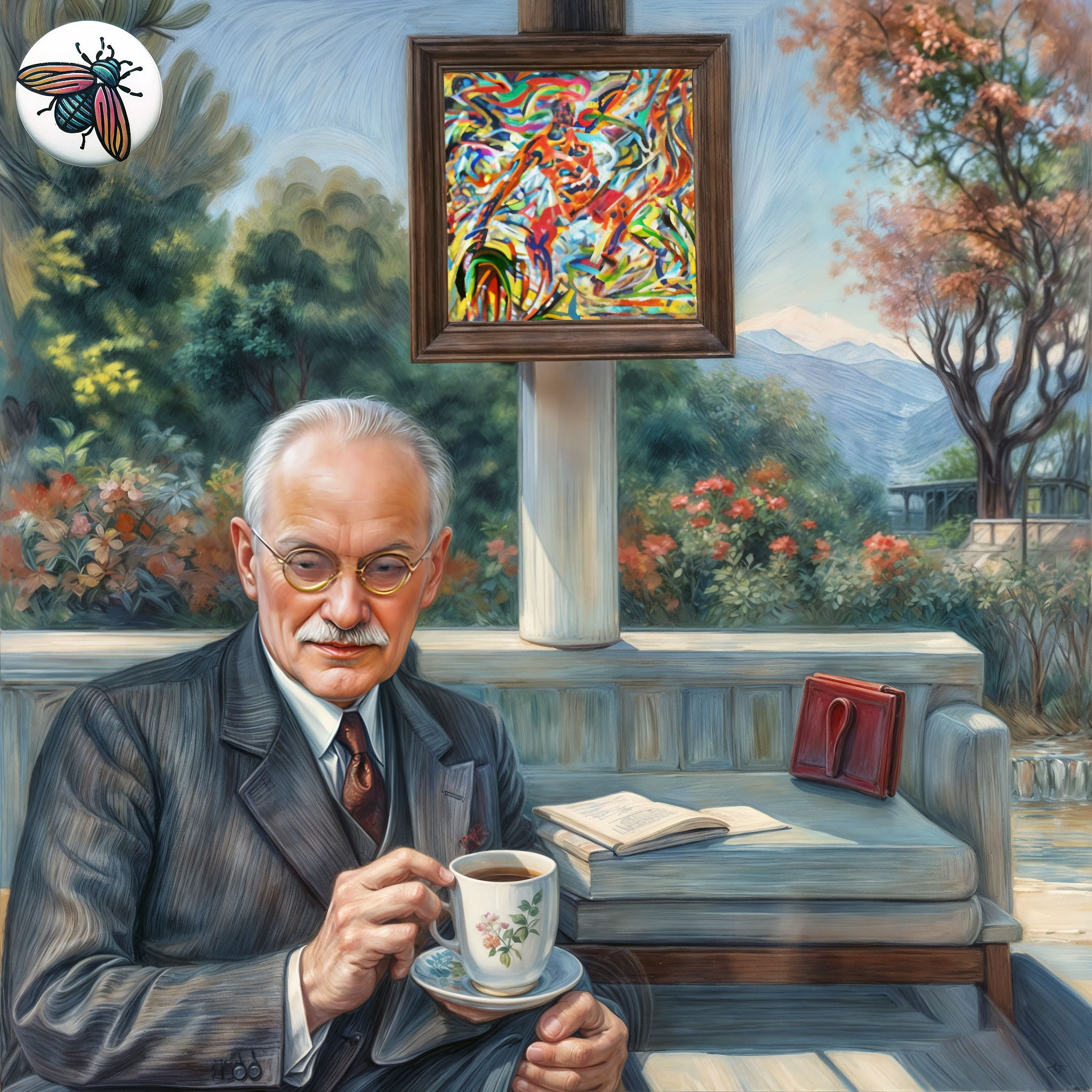
In a pavilion sits an elderly gentleman with a fine, gray mustache, looking at me expectantly. He pours me a cup of tea. “You wanted to speak with me?” he asks kindly. I know him. This can’t be a past life; C.G. Jung didn’t die until 1961. Next to the delicate Chinese porcelain teapot lies a book bound in red leather.
We drink tea and talk about myths and archetypes. I explain my conviction that our world needs an entirely new myth, one that gives us the strength and guidance to overcome the problems of our time. I believe only a universal story and constellation can move us—can move this fragmented world toward a collective new beginning, a new departure. Gilgamesh, Prometheus, Odysseus, Arjuna, Paul Bunyan, Frankenstein, Peter Pan, Harry Potter, Little Nemo (the comic, not the film), Rübezahl, Batman, Bernd das Brot—I’ve already vetted many mythical figures from different cultures to see if they could offer us contemporary answers, or even just strategies for finding them.
“Is it about answers?” my host asks shrewdly, sipping his tea.
Yes and no. Ultimately, it’s about a healthy perspective—on ourselves and the world. One that leads to sustainable solutions and progress.
But I lose my train of thought and start talking about the corridor. “I enter the corridor?” he repeats, smiling. That, he says, cannot be the sought-after new myth. It must be something connecting, something collective that instills a communal spirit while drawing deeply from the unconscious. “Try, ‘We enter the corridor,’” he suggests.
At first, I’m somewhat taken aback, then, I suddenly feel light and inspired.
“Or even: ‘We enter, drunk with fire, the corridor,’” he adds with a smile.
Of course: We! All of us! Moving forward with shared joy and confidence into a space full of new possibilities, well on our way to finding the best way—the best ways. I am not alone, and neither are you. None of us is. Because we are many! And we have the same goal.
A promising vision.
I’m welcome to return anytime, my host says as we part. The search for a new myth is an important task, one he’s happy to support with advice and action. Glad to have found a true authority as an ally, I leave his pavilion and the lush garden and enter the corridor once more…