93/398
♫ Cuore non duole ♫
93/398

I enter the corridor and hurry along to the seminar room. Three other SPs are already sitting in front of the door. I’m running late. John P. is among them, grinning at me. “You’re up first. The professor’s already back in.” As always, I enjoy his cute British accent. “Thought I’d have to do the ‘covert depression’ for you!” He briefly gestures to the door to the seminar room, behind which, as usual, there are about twenty students waiting for us.
I nod briefly to my fellow simulated patients and join them.
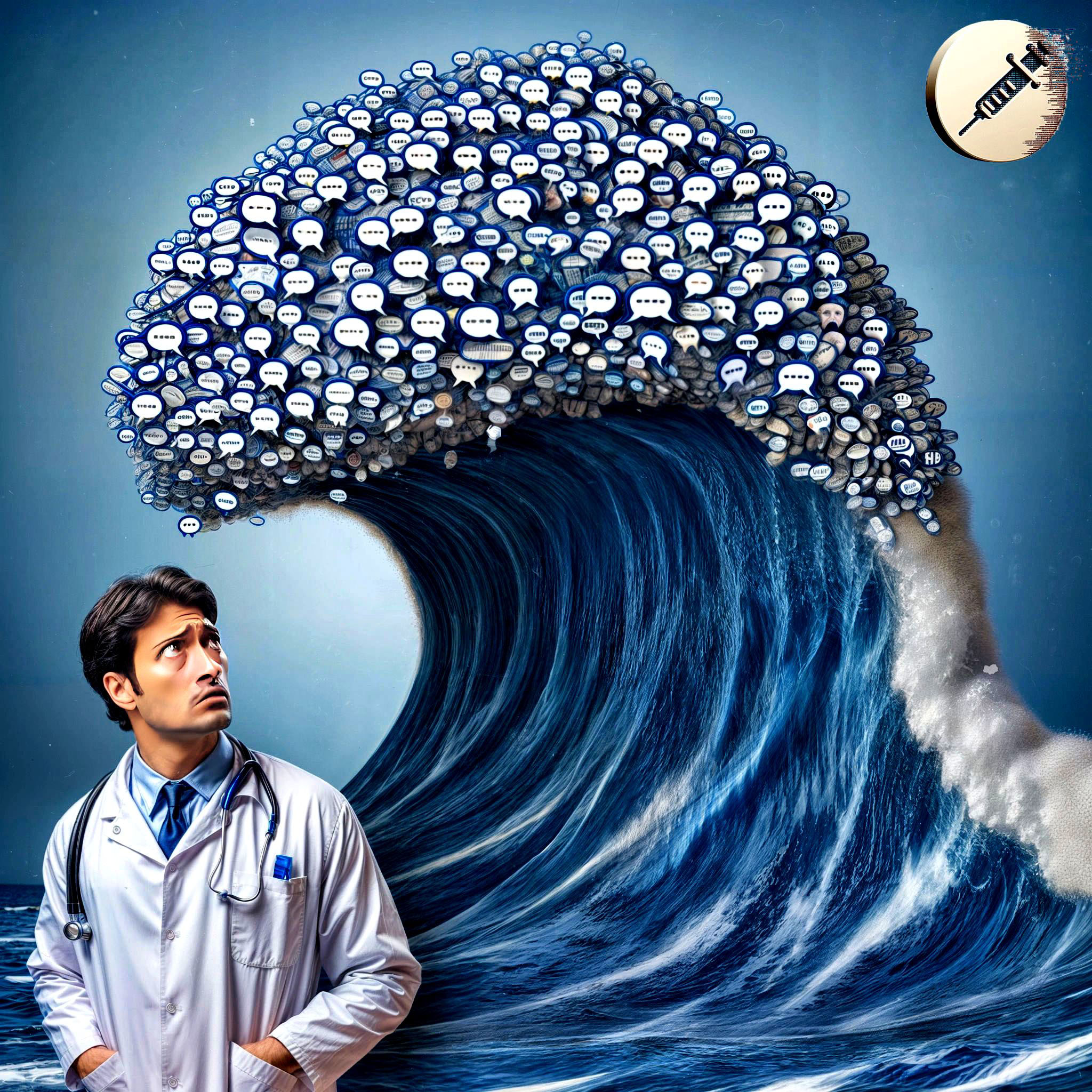
To expose the psychosomatics in their eighth semester real-life scenarios they will encounter after their training, their professors arrange encounters with “simulation patients” at the beginning of each year. That’s us, the SPs. With carefully crafted and meticulously rehearsed roles, we engage with the aspiring doctors, and since they have never dealt with real patients before, few of them are up to the task. For most, we represent a humbling yet formative experience.
I portray various roles for those specializing in somatic medicine, including hysterectomy, salmonella, a family member of an Alzheimer’s patient, and a cancer-stricken, unwittingly doomed mother of multiple children. But I particularly enjoy the roles involving psychosomatics, such as mania and depression, such as today’s “covert” case or the one with “somatoform pain disorder.” They pose a greater acting challenge.
“Also an actress and unemployed?” the blonde with frayed hair next to me asks. She extends her hand. “I’m Lara, hello. Uh, ‘Frau Edna Gierke,’ of course.” Ah, so the three of them are playing the family with the teenager who has stopped taking his insulin injections: the father unemployed, the mother a meter maid. I’ve had that pleasure before. Today, a pimply twenty-year-old with glasses who sweats and nervously fidgets in his chair plays the teenager.
“Frau Karsten,” I introduce myself to them with my character’s name. Around forty, slightly overweight, formerly employed at Deutsche Telekom before her primary diagnosis, she deals very rationally with her illness, etc.
The door to the seminar room opens. A medical student in a white coat steps into the corridor. “Frau Karsten?” he asks briskly, as if this were his waiting room. In reality, he is incredibly nervous: this is his first patient interaction. He won’t forget it anytime soon!
I jump up and pull out an envelope. “Doctor, it’s good that you’re seeing me right away, look, Doctor, just look, here!” I let him peek inside the envelope. As expected, the student reacts in bewilderment. There’s a clump of hair inside, which I’ve been collecting for weeks in the drain of my shower for this purpose. “I just showed it to Herr and Frau Gierke,” I unabashedly fib, “I’m losing my hair!” My three colleagues nod, but I don’t pay much attention to them. My voice becomes shrill, and I clutch my doctor’s arm. “This must be a bad sign, right? Doctor? What do you think? You’re the expert. I don’t want to go bald!” The student is initially at a loss for words, then stammers, “Please, uh, come in, Frau uh, Karsten.”
I follow him obediently but turn around one last time and wink at John P. We’re seasoned pros in this business and immediately noticed that this white-coated newbie is about to thoroughly screw up the first patient interview of his career.
Simulated patient: 