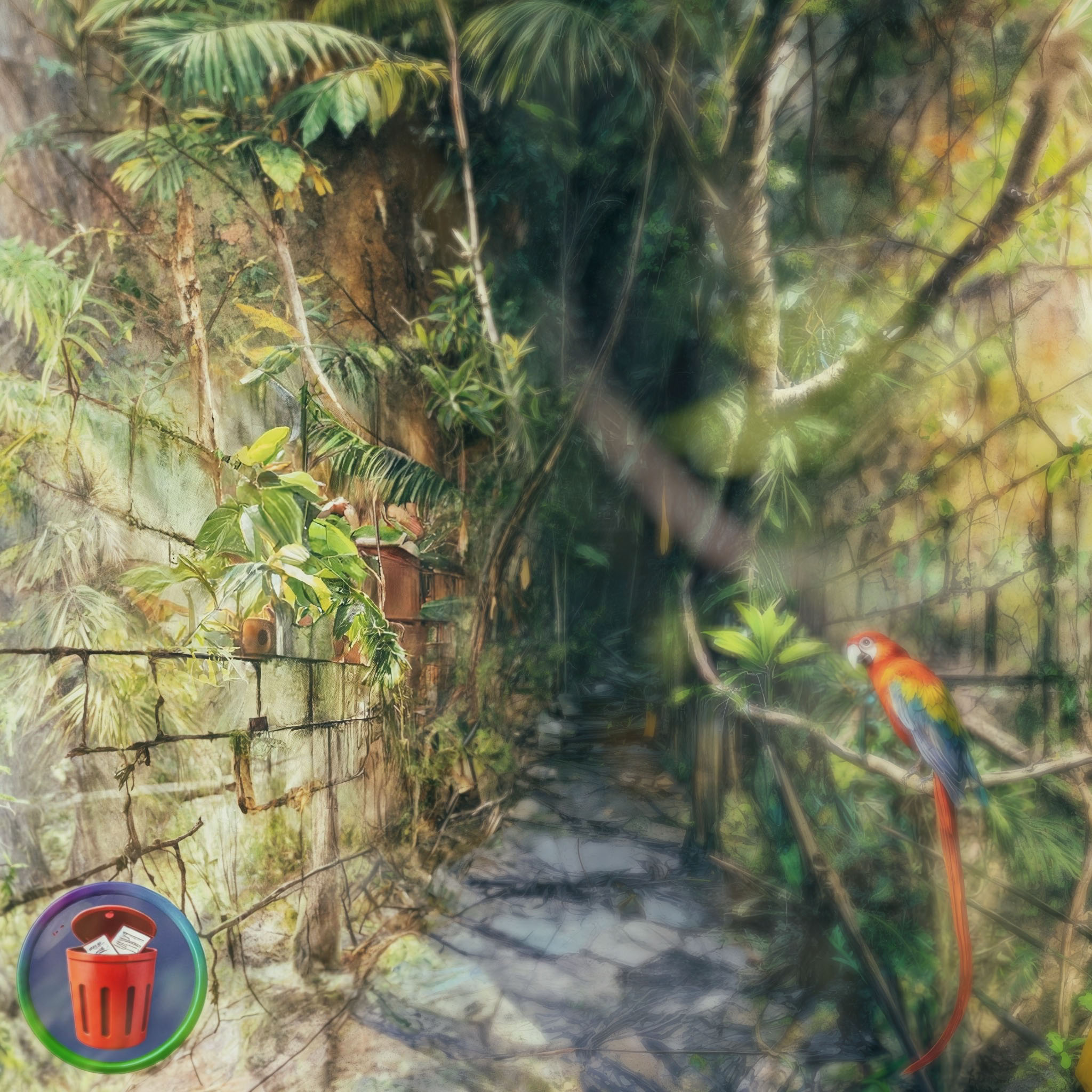
I enter the corridor leading to one of the temples in the Pirámide del Adivino in Uxmal. The Maya were great builders, but ultimately, their success led to their downfall: despite sophisticated irrigation systems, several years of drought brought their rapidly growing population to its knees. They left behind magnificent structures and a complex calendar that—as some believe—predicts the end of our world for December 21, 2012.
Typically, I experience panic attacks in narrow corridors and passageways; however, since I set foot on the Yucatán Peninsula, strange, long-forgotten memories have come flooding back to me. The ruins appear as though I knew them in their original state—these interiors do not cause me any discomfort; on the contrary, they draw me in as if by magic.
Have I lost my troublesome claustrophobia, which I’ve been trying to combat through a kind of self-treatment with a blog? No, a remnant of panic remains. But there’s a noticeable improvement, and my efforts to conquer my fears seem to be bearing fruit. I’ll give myself exactly one more year! Then, I decide spontaneously right here in the temple corridor of Uxmal, the world will end—at least the world of my little therapy blog, which I will ruthlessly delete on that exact day. It will be a sign that I can now take on corridors in naturam—the physical ones made of stone, metal, wood, and glass. While an entire universe of real corridors awaits me, a world of imagined corridors will be consigned to destruction in a single stroke. As if the Maya had foreseen it…
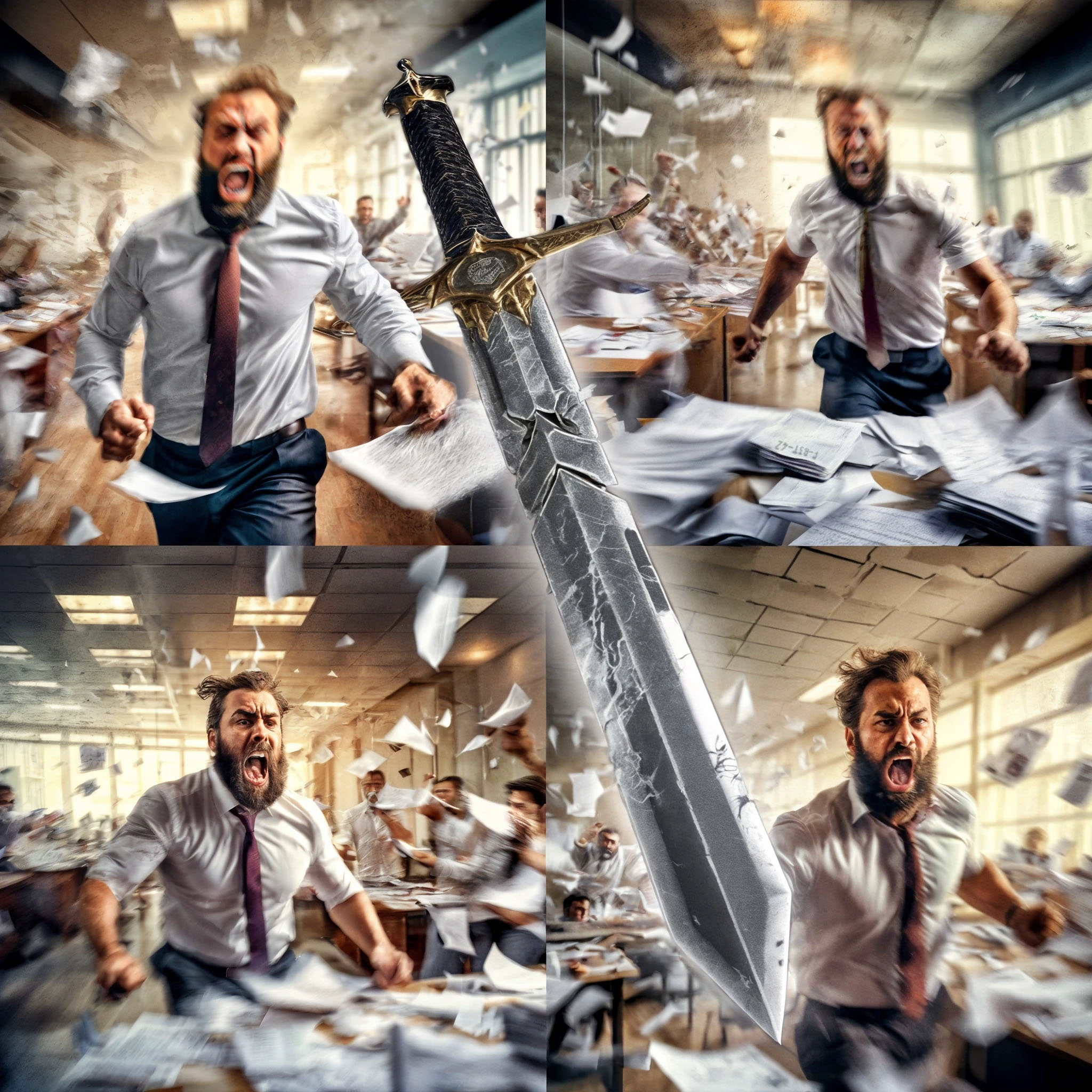
I enter the corridor, clutching my sword. Somewhere here must be Room 6007, where I will receive Form F‑B3T-42—the document that will finally allow me to confront those wretched bureaucrats face-to-face and begin my merciless crusade against them. In the hallways of the Bureau, I will wade through their blood. Their pitiless reign will come to an end; never again will they tyrannize us with their paperwork. I smile, certain of victory. Somewhere here must be Room 6007.
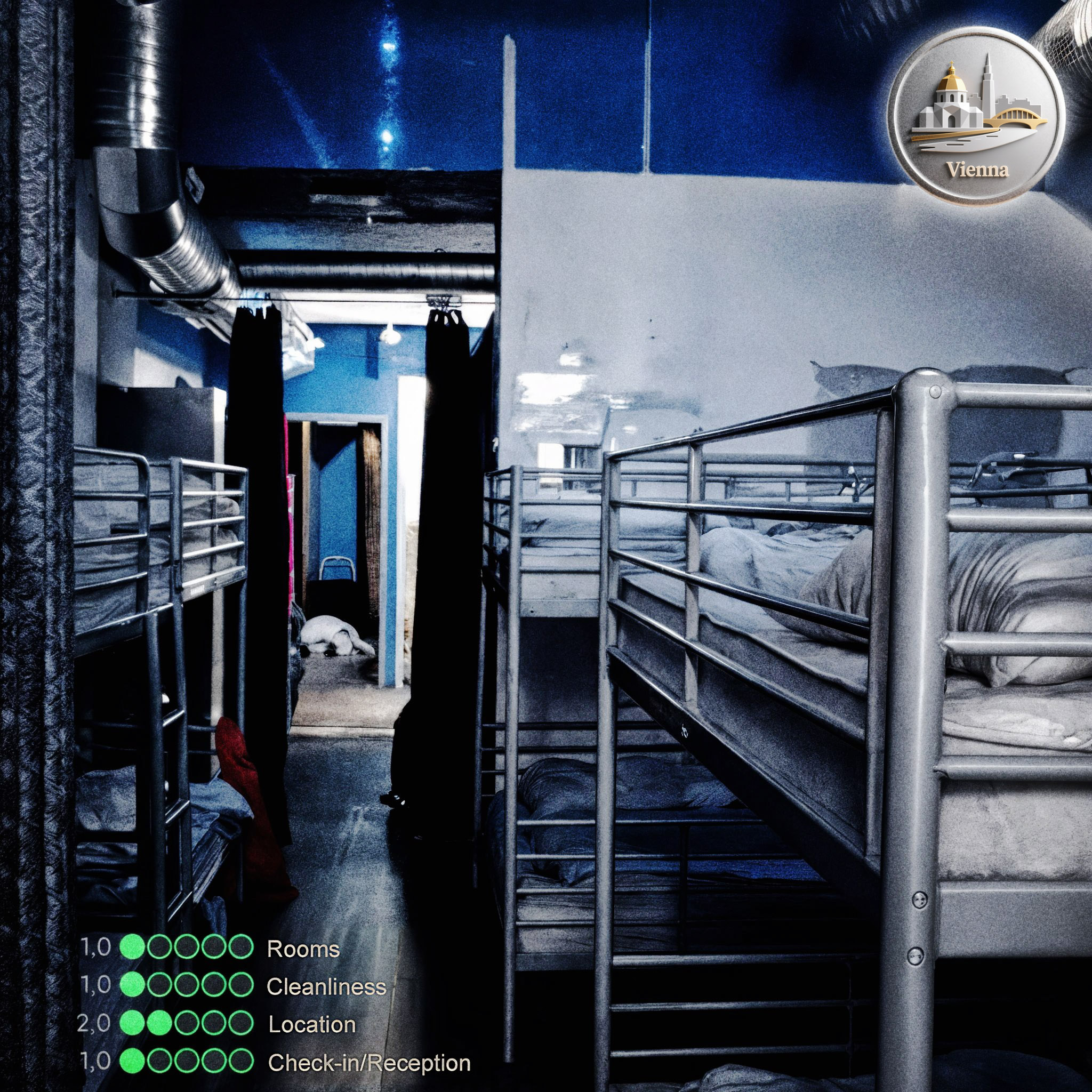
„I enter the corridor hostel at about midnite. If not for the late night, we would have moved to another hostel right away. The hostel is very run down (feeling of eerie) and luckily tow guys who happened to stay there came to help us with the luggage. And worst, we could not even found our room no! And when I went to use the bathroom, the doorknob dropped off and I was nearly locked inside.“
1 out of 5 stars Rooms 1 out of 5 stars Cleanliness 2 out of 5 stars Location 1 out of 5 stars Check-in/Reception
This guest review of Hotel „Blue Corridor Hostel“ at Siebensterngasse 15, Vienna, Austria was helpful / unhelpful to you (currently disabled).
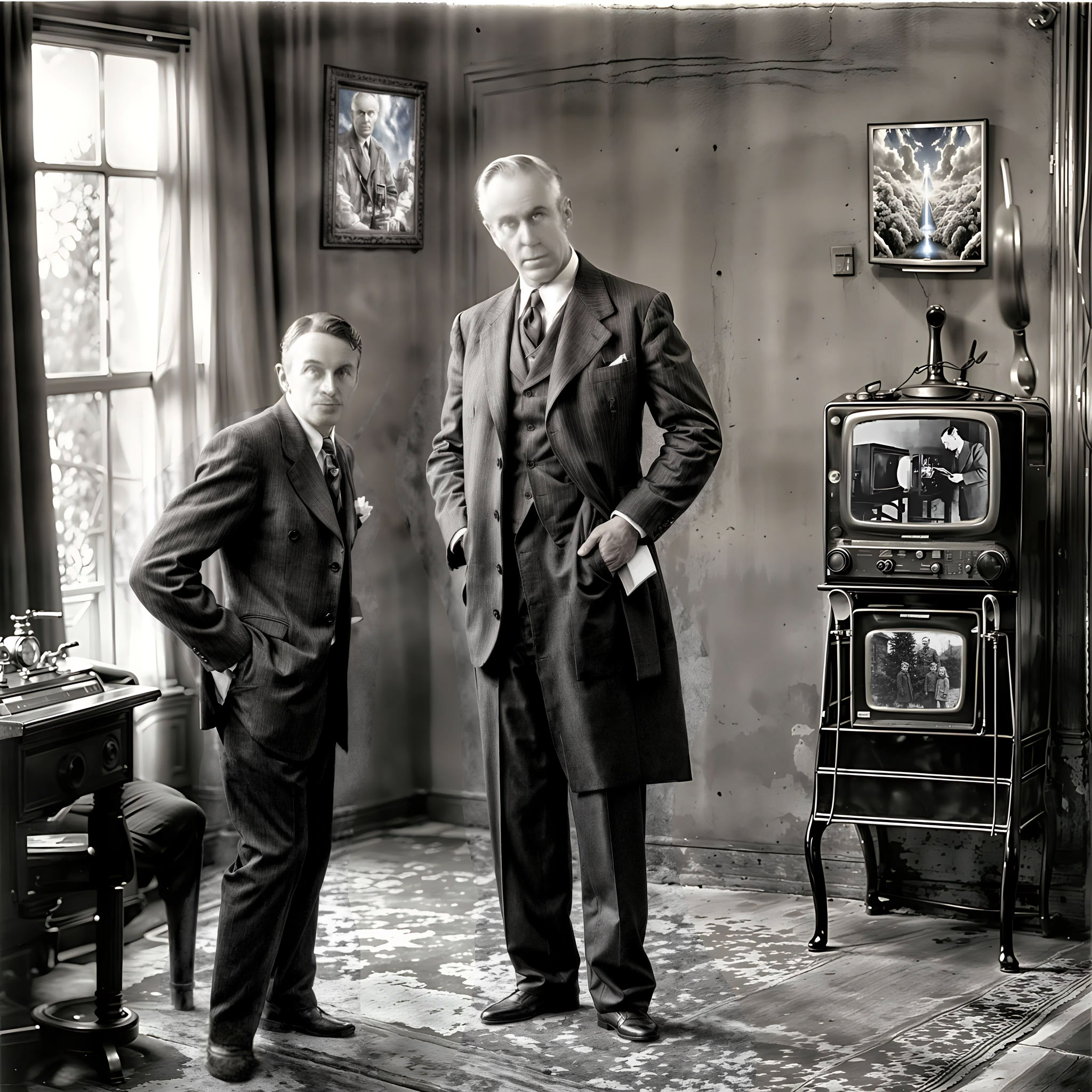
I enter the corridor. It’s always a long ascent to Elysium, even on this Christmas Eve in 1930 A.D. Finally, I reach the top. As I do every year, I report to the Creator.
He looks at me expectantly: „Well?“ – „They have disregarded your warning, eaten from the Tree of Knowledge, and left the Garden of Eden.“ – „I know, I know. Don’t always start with Adam and Eve.“ – „They wage cruel wars in your name, recklessly exploit the creation you entrusted to them, and behave in a downright blasphemous manner—short-sighted, cold-hearted, and narrow-minded.“ – „You’re quite the devil’s advocate. I’m painfully aware of all of this.“
„In any case, I think they deserve punishment. May I… cast them into the fires of hell?“ I ask slyly, wiping a thread of drool from the corner of my mouth. „Not necessary. They’ll inflict it upon themselves in a few years.“ – „Another world war? Hm. Can I at least… further confound their minds, so that they succumb not just to stupidity, but to madness as well?“ I ask, trying not to appear too eager. „They’ll handle that themselves too. They’ve just invented television.“
„Television? Oh. Hm. May I…? Is it possible…? With my evil gaze, perhaps…“ I stutter, nervously scuffing my cloven hoof and chastising myself for not seeming more confident and convincing. „You’ll simply continue to watch over them, my dear.“ – „But why?“ – „Because you still have much to learn.“
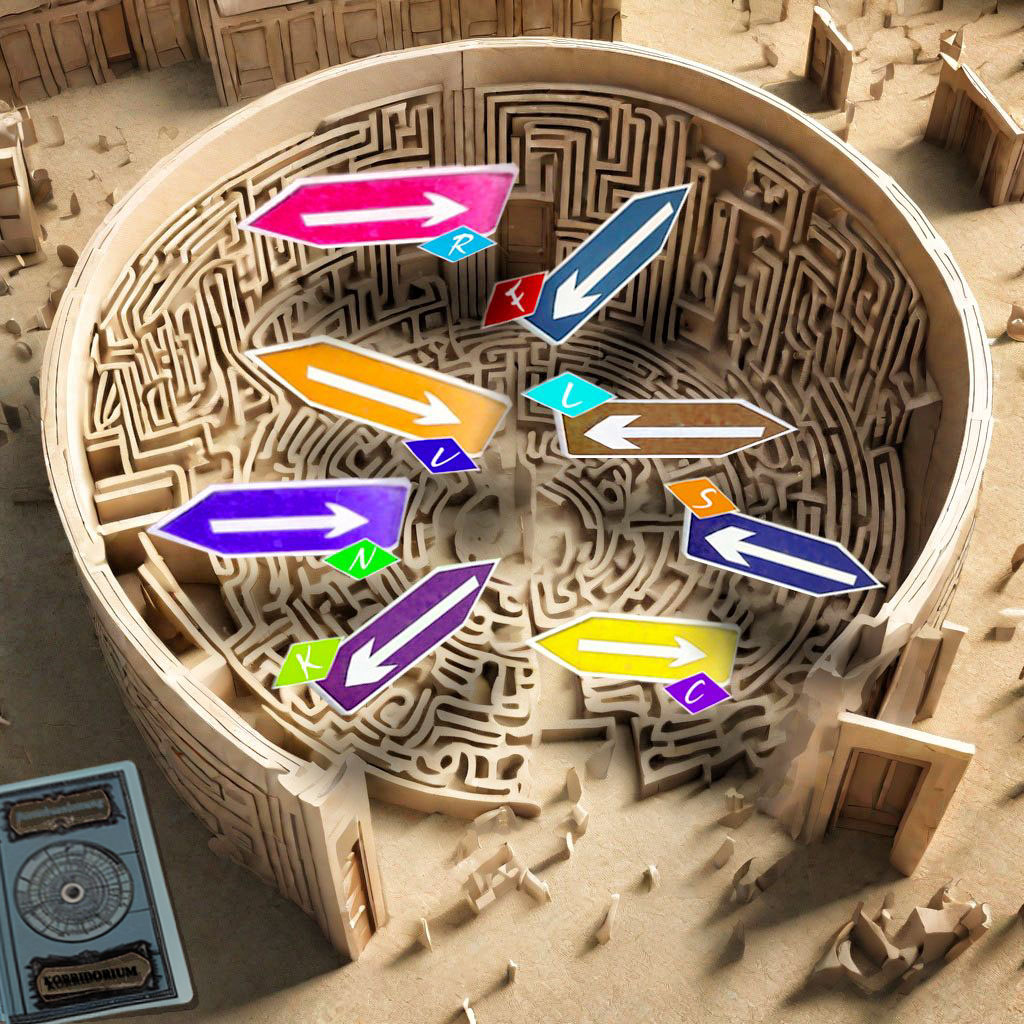
„I enter the corridor“—today, as a visitor to the Korridorium, you can say that with total confidence. This time, friendly hostesses approach you to lead you to one of the many doors. Behind them, more corridors await—and more doors—but those you’ll have to push open yourself.
Another visitor has entered with you: a man in a suit, clutching a briefcase and looking a bit dazed. „I have no idea what I’m even doing here!“ he tells you. A banner hangs above three bistro tables where the hostesses wait; it reads: „What else to find?“ One of them is already attending to the man. „Yes, it’s quite easy to get lost here,“ she says. „If you’re looking for something specific and don’t have much time, you should head through that narrow door up front.“ You notice it’s labeled „Vignette.“ „Or here“—the friendly young lady points out a tiny, almost miniature door labeled „Fract“—„for the very short attention span. Some pieces are no longer than a tweet—140 characters or less,“ she continues.
„I’m interested in constellations,“ says the man with the briefcase, straightening his glasses.
„Then this might be the right door for you.“ The man frowns at the sign: „Lists.“ Yet, it seems to suit him; he shrugs, gives the lady a brief, thankful nod, and decisively turns the handle.
In the meantime, another hostess has noticed you. „How can I help you today?“ she asks with a smile.
„Are there stories here with plots and characters? You know, actual short stories?“
„Oh, yes,“ the hostess responds, gesturing toward a glass door labeled „Story“ and the three behind it: „Classic,“ „Fantasy,“ and „Sci-Fi.“
„What about classic fantasy?“ you ask, furrowing your brow.
„Oh, yes—that could be misleading, right,“ the young lady says. „All short stories without magic and futuristic elements, without bells and whistles, so to speak—that’s what ‚classic‘ stands for here.“
She starts to explain how difficult it was to find the right keywords, but you get distracted. A visitor carrying—strangely enough—an open umbrella printed with the words „(B)right as rain,“ is asking a hostess for „spiritual texts.“ She is directed toward the doors labeled „Nous“ and „Kōan.“ „Nous“ covers everything involving consciousness, she’s told, while „Kōan“ represents Eastern wisdom in the broadest sense. „And what about, uh… love stories?“ the woman asks softly, as if she’s a little embarrassed. There is a door for that too, further down the hall. Unsurprisingly, it’s labeled „Romance.“
Before you can turn back to your own hostess, a boy in a hoodie rolls in on a skateboard. He shoots a disdainful look at the corridor from under his hood. A hostess is on him in an instant. „Cory?“ he asks. The hostess shakes her head, smiling. „But you might find the answer behind this door.“ She points to one labeled „Cory?“ and then indicates the one next to it: „Meta.“ „You might find more clues there. In any case, that’s where all the explanations about the Korridorium itself are kept.“
This gives you an idea. You ask the helpful young lady about stories involving parallel worlds—you’ve heard they are a recurring theme here.
„Oh, yes,“ your hostess smiles, „there’s a door for those, too. Please, follow me.“ The door in question, labeled „PluriDim,“ is at the very end of the corridor. „I’m told it stands for ‚Pluridimensional‘—multi-dimensional perspectives.“
Intrigued, you read the sign on the door next to it: „Paraphernalia“?
„Oh, yes,“ the young lady nods. „That’s where we put everything that didn’t fit anywhere else—even things too strange for ‚Kafkaesque‘ or ‚Surrealist.‘ “ She points to the door directly across from „Paraphernalia.“ „Kafka,“ she says, „is simply ‚K.‘—but due to space constraints, he’s been grouped with Surrealism.“ The door reads: „K. / Dada.“
Better not subject myself to that, you think, masking the thought with a polite smile. „But what if I’m specifically looking for things involving labyrinths and the Minotaur?“
„Oh, yes,“ the hostess says eagerly. „I should have realized. I saw the horns, of course, and knew immediately what a distinguished guest we had today.“
You snort a bit through your nostrils; people usually expect that sort of thing from you. Although you meant it to be friendly, the hostess takes a cautious step back.
„Here,“ she says, sounding slightly intimidated. „This would be the door of your choice.“ It bears the label: „Myth.“
„But that can also mean a lie—as in, ‚Oh, that’s just a myth!‘ “ you point out critically.
„Oh, yes,“ the hostess says, swallowing hard. „But it’s certainly not used in that sense here.“
„Well, I should hope not!“ you retort, and swing the door open.
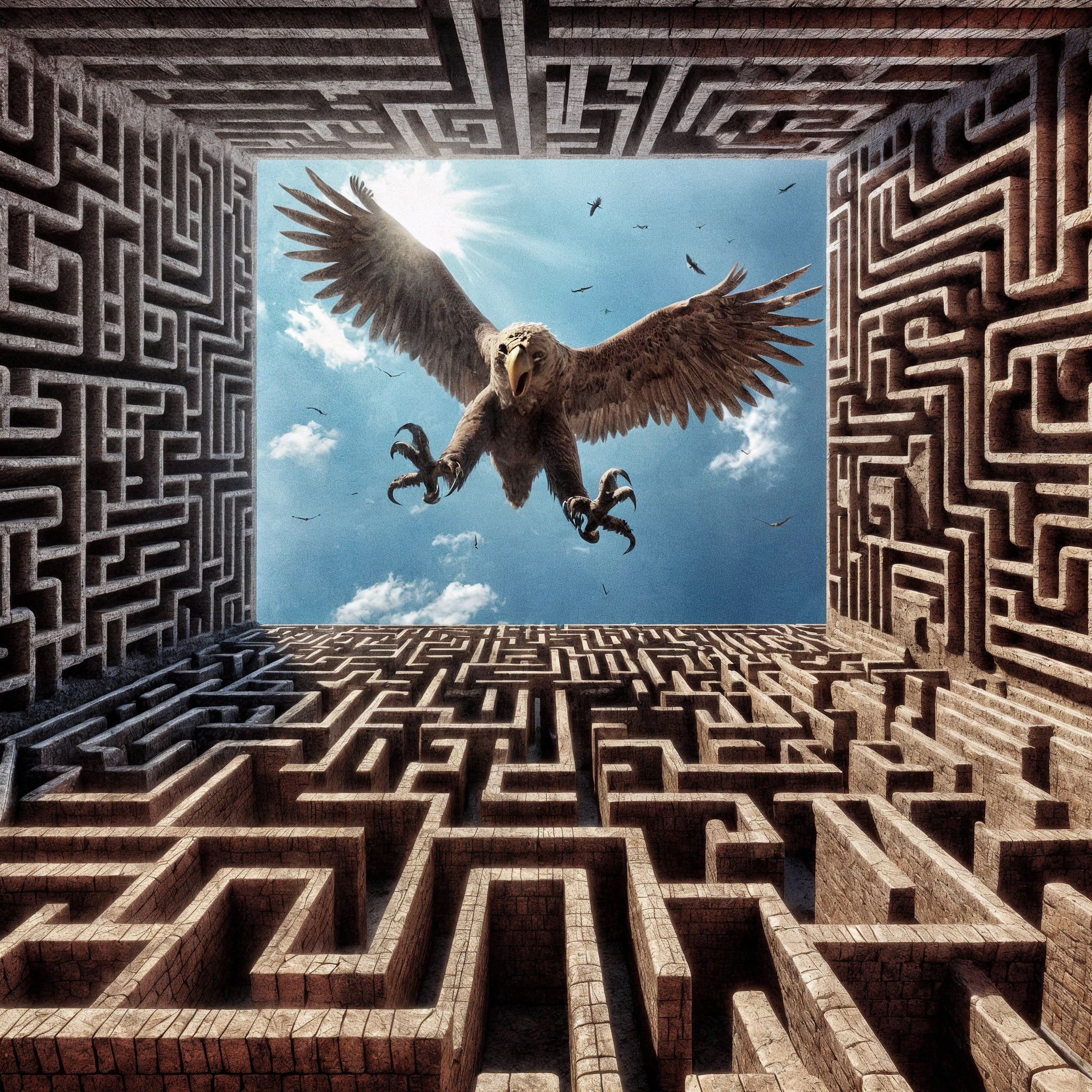
I enter the corridor. Somehow, I suspect the islanders want to be rid of me, and I am on my guard. I imagine they dislike my large ears, my sturdy legs—my otherness. Unadorned, roughly plastered stone walls rise on both sides; since there is no roof, the sun streams in. I scan my surroundings warily. Is a pitfall awaiting me? Will spears, triggered by my steps, shoot from the walls to pierce me? There is a pungent odor here. Apparently, the islanders usually drive goats through this passage.
Carefully, I place one foot in front of the other. Suddenly, a shadow eclipses the sun. Looking up, I see a gigantic bird plummeting toward me. In the narrow corridor, I cannot turn quickly enough. And where would I go, anyway? I become easy prey for its outstretched claws, each of them as large as a full-grown leopard. They seize me, and with a few powerful wingbeats, the majestic bird soars back into the air.
Apparently, it wants me alive. Below me, the islanders have gathered in the square before the Temple of the Formidable Naked Mole-Rat; they wave their arms and dance as spirited drum music rises up. I trumpet in protest.
The giant bird heads toward a mountainside. I spot an immense nest where four enormous, gaping beaks reach upward. The hungry squawking of the chicks makes my blood run cold.
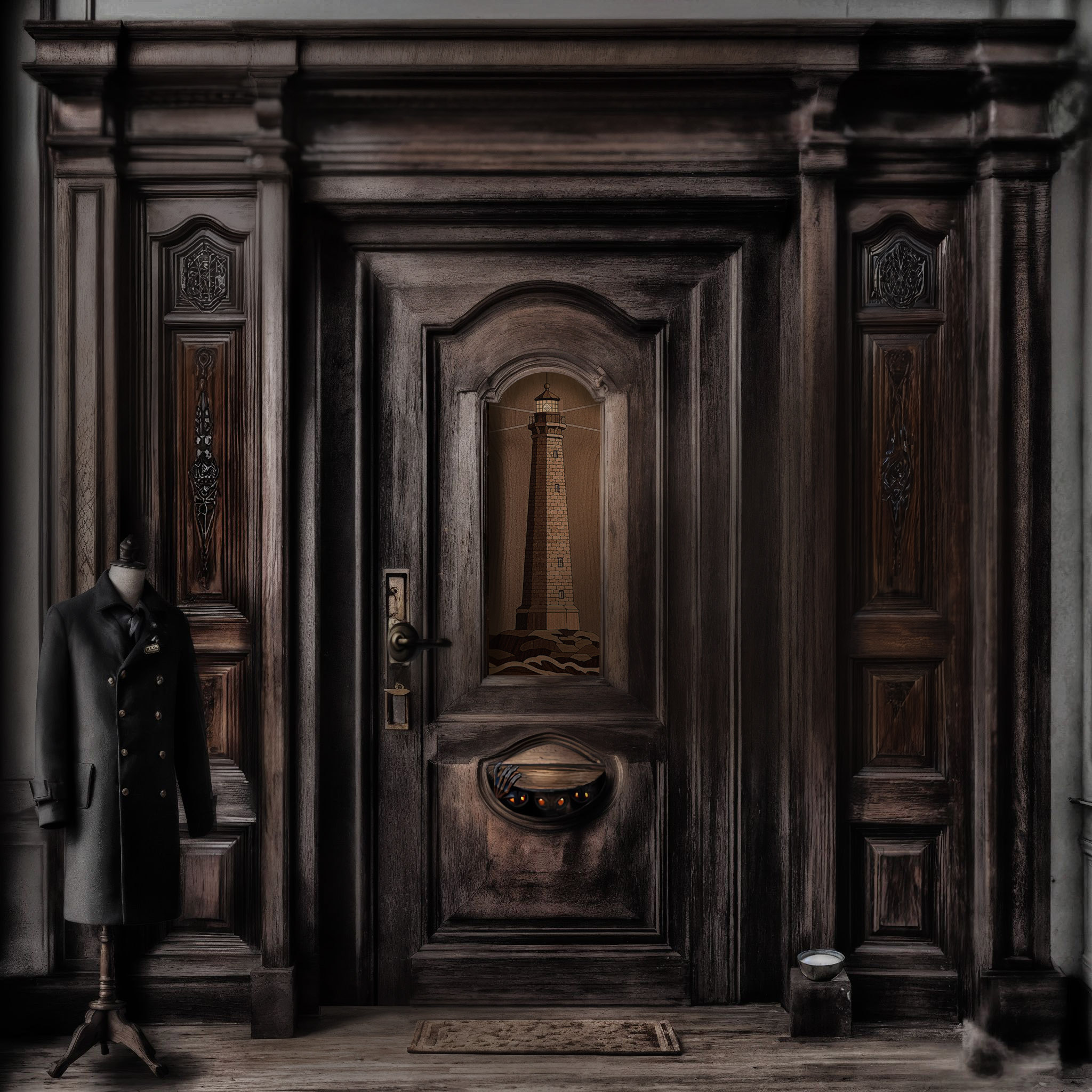
I enter the corridor to my bedroom. It is always the same ritual. First, I darken the room completely; then, at a very low volume—near the threshold of hearing, so to speak—I let soft ambient drones play. I lie on my back with my hands folded across my chest, close my eyes, and observe as my breath becomes calmer, until it is nearly imperceptible. The shimmering figures wavering across the inside of my retinas grow increasingly colorful, and suddenly, a door stands before me. It is always the same: dark, solid wood with inlays—abstract geometric patterns that create an impression of perspective. I press down the well-worn bronze handle and enter a new adventure, brimming with anticipation.
Let’s see what the Little People have in store for me this time. (Just don’t fall asleep first!)
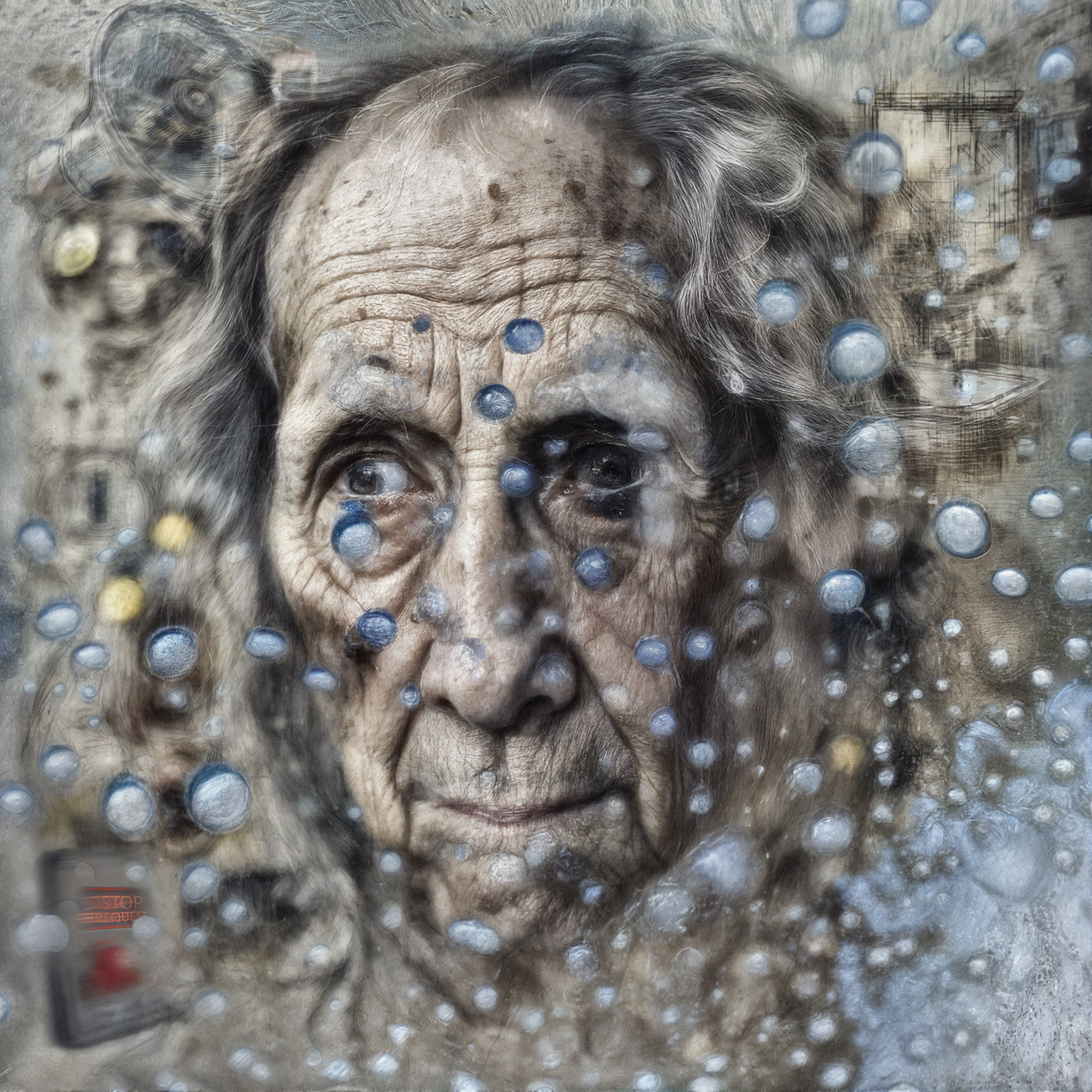
I enter the… corridor? It doesn’t look like one at all. I’m not sure. Didn’t I actually want to go to the… summer house? I knew it just a second ago. Everything is slipping away from me. The thoughts, the words, the… rose beds? In the nursing home, the strange woman said—she told me I was here in a nursing home; she said it very slowly and with such emphasis. But I don’t know anything about a nursing home; I’m here at the… train station, right?
There in the mirror above the sink, someone is making an announcement. I don’t understand it. She looks like an old woman. But I don’t want to talk to her. She doesn’t know any better than I do. Anyway, I have to get off at the next stop. I press the… stop button, but suddenly everything is getting wet. The… escalators must have been completely remodeled; everything has changed so much. Even the door to the garden isn’t there anymore. Is this really my… home? If only I knew…
I enter the corridor, and instantly, my annoyance over the supposedly extra pizza—which the customers simply handed back without even leaving a tip—is forgotten. After the hassle with that client in a Berlin rear building, my gaze falls on a doorbell nameplate two floors down on the landing. It reads: „Cory d’Or.“
Could this be the anonymous author of the obscure blog Korridorium that my wife raves about? On impulse, I ring the bell. A buzzer sounds. The door opens into a long hallway, typical of many Berlin pre-war apartments. „Don’t touch anything!“ a commanding voice orders from one of the adjoining rooms, without the speaker showing himself.
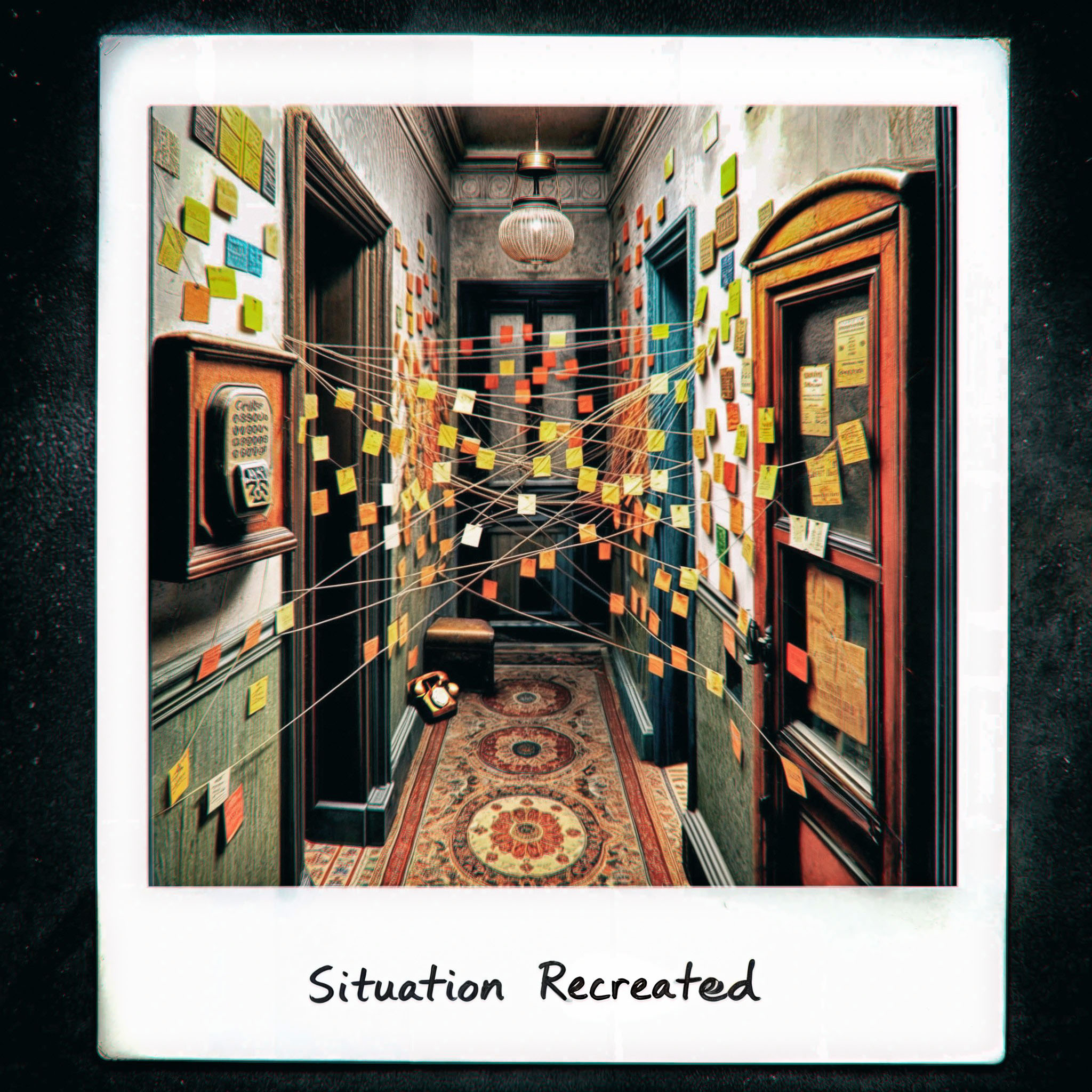
The pizza box almost falls out of my hand. I stare in disbelief at thousands of hand-written index cards pinned to the walls, ceiling, and some scattered on the floor. Many are connected by colored strings, making it almost impossible to navigate the hallway without disturbing the delicate network. It resembles a rainbow-colored art installation. Fascinated, I try to read some of the index cards, but then the voice sounds again: „Place the books on the entrance cabinet. Your payment is there.“
I nearly drop the pizza box. I stare, speechless, at thousands of handwritten index cards pinned to the walls and ceiling, some even spread across the floor. Colored strings stretch from one to another, making it nearly impossible to navigate the hall—at least not without snapping the delicate web. It looks like a rainbow-colored art installation. Fascinated, I try to read a few of the cards, but then the voice rings out again: „Place the books on the hallway console. Your money is there.“
Cory must be mistaking me for someone he’s expecting. Hallway console? I spot a wooden casing on the wall with several glass-covered displays—evidently an old call system for servants. There is money lying on it. A lot of money. I can’t resist the temptation; I pocket it. Hastily, I set the extra pizza on the ledge, retreat, panic, leave the door standing open, rush down the stairs, and scramble onto my scooter…
Am I brain-dead? What was I thinking?!
Of course, I never dared to go back. The money is long gone, and to this day, I’ve never had the courage to tell a soul about that encounter. I suppose it’s no excuse that I—with a doctorate in astrophysics and another in moral philosophy—am struggling to support my small family as a pizza delivery guy.
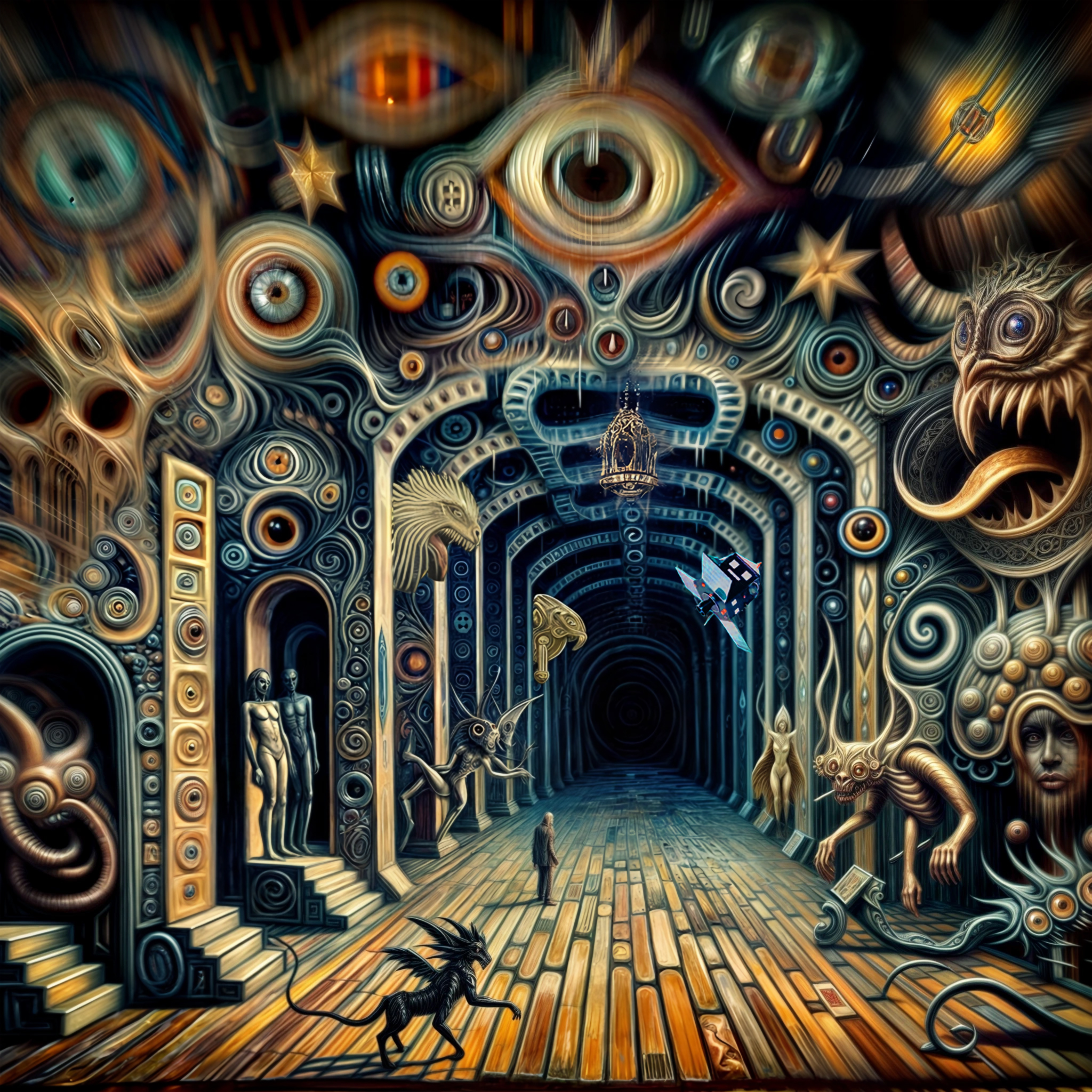
I enter the corridor, shuddering and full of dark foreboding. Countless corridors from thousands of nightmares once again culminate in the ultimate terror for me. Soon, when the night is at its darkest and quietest, I will wake up screaming and drenched in sweat, and my cat will once again bolt from the bed, meowing. I will lie awake until morning, and then, like every Friday, I will recount to my therapist the hair-raising horrors that—in gloomy, ghostly corridors—lay in wait for me throughout the seven nights of the Christmas holidays.
She will probably advise me again to continue writing little stories about them to free myself from these nightmares. She doesn’t share my concern that these tales might be the very thing triggering the nighttime horrors in the first place.